Welcome, fellow food enthusiasts, to a deep dive into one of the most indispensable, yet often underestimated, giants of the culinary world: the 20 Quart Stock Pot. If you’re passionate about cooking, feeding a crowd, or simply believe in the magic of homemade broths and hearty stews, then this magnificent vessel is about to become your new best friend. It’s more than just a big pot; it’s a foundational piece of cookware that unlocks a universe of flavors and culinary possibilities, ready to transform your kitchen into a hub of gourmet creation and generous hospitality. Get ready to explore why a quality 20 quart stock pot isn’t just an option, but a true necessity for any serious cook.
What Exactly is a Stock Pot?
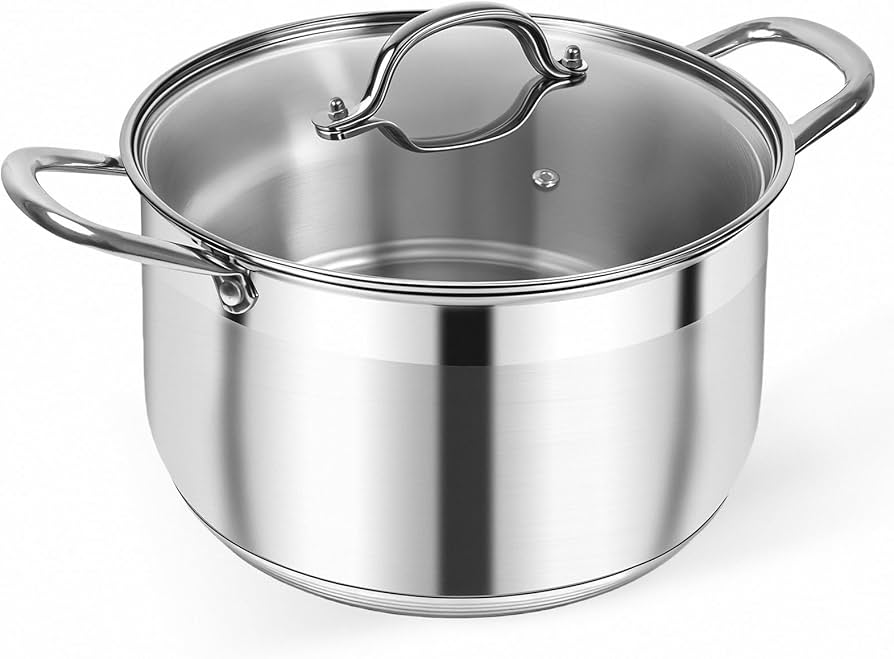
At its heart, a stock pot is a large, deep, cylindrical cooking vessel characterized by its tall, straight sides, wide base, and two sturdy helper handles. Designed specifically to handle substantial volumes of liquid, it’s the go-to choice for recipes that require extended simmering and gentle heat, like rich stocks, savory soups, and robust stews. Its height helps to minimize evaporation, ensuring that precious flavors are concentrated rather than lost to the air, while its ample capacity allows ingredients to move freely, promoting even cooking and optimal flavor extraction. It’s the silent workhorse, consistently delivering delicious results.
The Storied History and Evolution of the Stock Pot
The concept of a large pot for simmering liquids is as old as cooking itself. From ancient clay vessels used over open fires to the heavy cast iron cauldrons of medieval kitchens, humans have always needed substantial containers for communal meals and foundational broths. The modern stock pot, with its refined designs and advanced materials, is a direct descendant of these early culinary giants. Its evolution has mirrored our increasing understanding of heat dynamics and material science, leading to the efficient and versatile versions we cherish today, making it a timeless tool that continues to adapt to contemporary cooking needs.
Understanding Your Options: Types and Materials of 20 Quart Stock Pots
When it comes to choosing a 20 quart stock pot, the material it’s crafted from plays a pivotal role in its performance, durability, and even how you’ll care for it. Let’s explore the most common options:
Stainless Steel Stock Pots
Stainless steel is arguably the most popular choice for stock pots, and for good reason. It’s incredibly durable, resistant to corrosion and rust, and non-reactive, meaning it won’t impart metallic flavors to your food, especially acidic ingredients like tomatoes. Many high-quality stainless steel stock pots feature a multi-clad construction or an encapsulated aluminum or copper disc in the base. This layering is crucial, as stainless steel alone isn’t the best heat conductor. The inner core of aluminum or copper ensures excellent and even heat distribution, preventing hot spots that can scorch your culinary creations. As culinary expert Chef Elena Petrov often says, “A good stainless steel stock pot with a heavy, layered bottom is like the foundation of a great kitchen – reliable, robust, and ready for anything.”
Aluminum Stock Pots
Aluminum stock pots are lightweight and excellent conductors of heat, meaning they heat up quickly and respond rapidly to temperature changes. They are often more affordable than their stainless steel counterparts. However, raw aluminum can react with acidic foods, potentially leaching into your dish and affecting its flavor. To combat this, many aluminum stock pots are anodized, creating a hardened, non-reactive surface. While lightweight, a full 20 quart aluminum pot can still be challenging to handle, so consider sturdy handles.
Enameled Cast Iron Stock Pots
Enameled cast iron stock pots are heavy-duty champions known for their exceptional heat retention and even heat distribution. They excel at slow, gentle simmering, making them perfect for rich, long-cooked stews and chili. The enamel coating prevents rust and makes the pot non-reactive and easier to clean than raw cast iron. However, their significant weight, especially when full, and the potential for the enamel to chip if mistreated, are factors to consider.
Choosing Your Culinary Companion: How to Select the Perfect 20 Quart Stock Pot
A 20 quart stock pot is a significant investment, both in space and utility. Making the right choice means considering several key factors to ensure it perfectly aligns with your cooking style and kitchen setup.
Capacity: Is 20 Quarts Right for You?
A 20 quart stock pot, which holds approximately five gallons or about 19 liters, is a fantastic size for serious home cooks and small-scale catering. It’s ideal if you:
- Cook for large families or regularly entertain.
- Engage in meal prepping for the week or month.
- Make large batches of homemade stock or broth for freezing.
- Enjoy canning and preserving seasonal produce.
- Love hosting seafood boils or pasta parties.
While a 20 quart stock pot is substantial, it’s not overwhelmingly large for most standard stovetops, though it will command its burner.
Material Matters: Durability Meets Performance
As discussed, stainless steel with a clad or disc bottom is often the most recommended for its balance of durability, non-reactivity, and heat performance. For those prioritizing quick heating and a lighter pot, anodized aluminum is a strong contender. If slow cooking and heat retention are paramount, and you don’t mind the weight, enameled cast iron could be your pick.
Stove Type Compatibility
Before committing, always check if your chosen 20 quart stock pot is compatible with your stovetop.
- Induction Cooktops: Require ferromagnetic materials, typically stainless steel (check for “induction compatible”). Aluminum and pure copper are generally not compatible unless they have an induction-ready base.
- Gas, Electric, Ceramic, Halogen: Most stock pot materials work well on these surfaces.
Design Features: The Details Make a Difference
Don’t overlook the practical design elements.
- Handles: Look for sturdy, riveted handles that are wide and comfortable to grip, especially when the pot is full and heavy. “Stay-cool” handles are a bonus.
- Lid: A tight-fitting lid is essential for retaining heat and moisture. A glass lid can be incredibly useful for monitoring cooking progress without lifting and releasing steam.
- Base: A heavy, flat base is crucial for stability on the stovetop and for even heat distribution.
- Pouring Rim: A flared or tapered rim can make pouring liquids much cleaner.
Beyond Broth: The Multifaceted Uses of a 20 Quart Stock Pot
The term “stock pot” might imply a singular purpose, but this kitchen behemoth is a true multi-tasker, capable of handling an astonishing array of culinary tasks.
Crafting Liquid Gold: Stocks and Broths
This is where the 20 quart stock pot truly shines. Its generous volume allows you to simmer large quantities of bones, vegetables, and aromatics for hours, extracting every last ounce of flavor and nutrient to create rich, deeply satisfying homemade stocks – the foundation of countless dishes.
Hearty Meals for the Masses: Soups and Stews
Whether it’s a soul-warming chicken noodle soup for a chilly evening or a robust beef stew for a family gathering, a 20 quart stock pot provides the perfect environment. You can comfortably brown meats directly in the pot, then add liquids and vegetables, allowing everything to simmer together slowly, developing complex flavors without overcrowding.
Boiling Brilliance: Pasta, Seafood, and More
Imagine boiling enough pasta for a large crowd without a single noodle clinging together! The spaciousness of a 20 quart stock pot is ideal for boiling large quantities of pasta, corn on the cob, or even a classic seafood boil with crabs, shrimp, and potatoes. Its depth ensures full submersion and even cooking.
The Art of Preservation: Canning and Pickling
For those who love to preserve the bounty of the season, a 20 quart stock pot is an invaluable tool for home canning. It can accommodate multiple jars for sterilization and processing, with its tall sides preventing boil-overs and maintaining a consistent temperature crucial for safe preservation.
Healthy & Flavorful: Blanching and Steaming
With the addition of a steamer insert, your 20 quart stock pot transforms into an excellent steaming vessel, perfect for vegetables, seafood, or dumplings, locking in nutrients and flavors. It’s also fantastic for blanching large batches of vegetables before freezing them.
Efficiency in the Kitchen: Batch Cooking and Meal Prep
For busy individuals or families, a 20 quart stock pot is a game-changer for meal prepping. You can cook large quantities of grains, beans, or a big batch of chili to portion out for the week, saving time and effort during busy weekdays.
Unlocking Its Full Potential: Maximizing Your 20 Quart Stock Pot’s Performance
To truly get the most out of your 20 quart stock pot, a few expert tips can elevate your cooking experience:
- Don’t Rush the Preheat: For dishes that require searing or sautéing before adding liquid, ensure your pot is properly preheated. A little patience at the start leads to better browning and flavor development.
- Give Ingredients Space: While a 20 quart stock pot is large, avoid overcrowding. Too many ingredients can lower the temperature and lead to steaming rather than browning.
- Harness the Lid’s Power: Use the lid to control evaporation. Keep it on for simmering stocks to minimize liquid loss, or remove it partially/fully to reduce sauces and concentrate flavors.
- Season Liberally: Especially when boiling water for pasta or blanching vegetables, season the water generously with salt. This flavors the food from within. Culinary Maestro Mark Davis advises, “Don’t be shy with salt in your pasta water; it’s your first chance to build flavor directly into the starch.”
- Direct Roasting: For stocks, consider roasting bones and vegetables directly in the stock pot before adding water. This builds a foundational layer of flavor known as fond, which can then be deglazed for a richer broth.
Preserving Your Investment: Caring for Your 20 Quart Stock Pot for Longevity
A quality 20 quart stock pot is built to last, but proper care and maintenance will ensure it remains a prized possession in your kitchen for years to come.
- Cleaning: For most materials, hand washing with warm, soapy water is best. While some stainless steel pots are dishwasher safe, hand washing helps preserve their finish and integrity. For stubborn food residue, soak the pot with hot, soapy water.
- Avoid Harsh Abrasives: Steer clear of steel wool or abrasive cleaners that can scratch the surface, especially on anodized aluminum or enameled finishes.
- Tackling Burn Stains: If you experience burn marks (it happens!), a paste of baking soda and a little water, left to sit, can work wonders. For tough stains, a non-abrasive cleaner specifically designed for cookware can help restore its shine.
- Proper Storage: Due to its size, store your 20 quart stock pot in a way that prevents scratching. If stacking, place a cloth or pot protector between it and other cookware.
The Smart Investment: Why a Quality 20 Quart Stock Pot is Worth Every Penny
Investing in a high-quality 20 quart stock pot might seem like a luxury, but it’s a decision that pays dividends in your culinary journey.
- Durability: A well-made pot will withstand years of heavy use, making it a sustainable choice that reduces the need for frequent replacements.
- Versatility: Its ability to handle such a wide range of cooking tasks means you get more value from a single piece of equipment.
- Efficiency: For large-batch cooking, it saves time and energy compared to using multiple smaller pots.
- Flavor Development: The proper design and material ensure even cooking and optimal flavor extraction, leading to consistently delicious results.
- Culinary Empowerment: It empowers you to tackle ambitious recipes, experiment with new techniques, and create memorable meals for any occasion. It’s an investment in your passion for food.
Deciphering the Cookware Lineup: 20 Quart Stock Pot vs. Other Kitchen Pots
The world of cookware can be vast and sometimes confusing. How does a 20 quart stock pot stand up against other common kitchen vessels?
Stock Pot vs. Dutch Oven
While both are fantastic for slow cooking, they have distinct features. A stock pot is typically taller with straighter sides, lighter (especially stainless steel), and designed for larger volumes of liquid that you might bring to a boil. It heats up relatively quickly. A Dutch oven, usually made of heavy cast iron (enameled or not), is shorter, wider, and excels at heat retention, making it perfect for braising, roasting in the oven, and dishes that benefit from deep, even heat distribution over long periods.
Stock Pot vs. Saucepan
Think of a saucepan as the stock pot’s smaller sibling. Saucepans are ideal for smaller tasks like making sauces, cooking individual portions, or boiling a couple of eggs. A 20 quart stock pot, in contrast, is built for scale, handling volumes far beyond a saucepan’s capacity, making it perfect for feeding families or preparing for events.
Stock Pot vs. Pressure Cooker
Pressure cookers are designed for speed, using high pressure to cook food much faster than conventional methods. While efficient, they are sealed, limiting your ability to taste or adjust during cooking. A 20 quart stock pot allows for open, slow simmering, providing more control over flavor development and the ability to add ingredients or adjust seasoning throughout the cooking process. It’s about different cooking philosophies: speed versus slow, deliberate flavor building.
Frequently Asked Questions About the 20 Quart Stock Pot
How big is a 20 quart stock pot in gallons or liters?
A 20 quart stock pot holds approximately 5 U.S. gallons or about 18.9 liters. It’s a significant size, perfect for substantial cooking projects.
Is a 20 quart stock pot too big for home use?
For many homes, a 20 quart stock pot is an ideal size, especially for large families, regular meal prep, entertaining, or specialized tasks like canning. While it takes up more space, its versatility often justifies its presence for serious home cooks.
Can a 20 quart stock pot be used on an induction cooktop?
Yes, a 20 quart stock pot can be used on an induction cooktop, provided it is made of a ferromagnetic material like stainless steel and explicitly marked as “induction compatible” by the manufacturer.
What’s the best way to clean a burnt 20 quart stock pot?
For burnt-on food, fill the pot with water, add a few tablespoons of baking soda, and bring it to a simmer for 15-20 minutes. Let it cool, then gently scrape with a wooden spoon or non-abrasive scrubber. For tough stains, a specialized stainless steel cleaner can be effective.
What are some ideal recipes for a 20 quart stock pot?
A 20 quart stock pot excels at making large batches of chicken or beef stock, hearty chili, gumbo, lasagna soup, spaghetti with meatballs for a crowd, corn on the cob, or even a classic shrimp boil.
Conclusion
The 20 quart stock pot is far more than just a large pot; it’s an emblem of culinary ambition and generosity. It stands ready to be filled with the finest ingredients, transforming them into comforting classics and exciting new creations. From the slow, patient art of stock-making to the joyful chaos of a family pasta night, this essential piece of cookware elevates every cooking experience. Embrace the power and versatility of a quality 20 quart stock pot, and watch as your kitchen becomes a place where exceptional flavors and cherished memories are effortlessly made. It’s time to unlock its full potential and truly revolutionize your cooking.