In the bustling world of home cooking and professional kitchens alike, certain tools rise above the rest, becoming indispensable cornerstones of culinary creation. Among them, the 5 Gallon Stock Pot stands tall—literally and figuratively—as a true workhorse, a vessel of limitless potential that transforms ambitious recipes into delectable realities. Far more than just a large pot, it’s a foundational piece of cookware, a silent partner in crafting everything from soul-warming broths to festive seafood boils. If you’ve ever found yourself wishing for more space, more capacity, and more culinary freedom, a quality 5 gallon stock pot is calling your name.
What Exactly is a 5 Gallon Stock Pot?
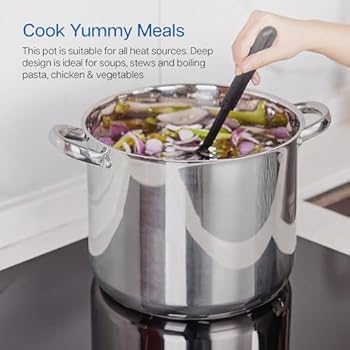
At its core, a 5 gallon stock pot is a generously sized cooking vessel characterized by its tall, straight sides, a wide, flat bottom, and typically two sturdy loop handles for easy (or easier!) lifting. With a capacity of approximately 20 quarts, it’s designed to handle substantial volumes of liquid, making it uniquely suited for tasks that smaller pots simply can’t accommodate. Think of it as the ultimate multitasker, a deep reservoir where flavors meld, ingredients simmer, and culinary magic happens on a grand scale. Its design is purposeful: the height minimizes evaporation, allowing liquids to reduce slowly and flavors to deepen, while the wide base ensures even heat distribution across a large surface area.
A Brief History of the Stock Pot
The story of the stock pot is as old as cooked food itself, rooted in the fundamental need to simmer ingredients over long periods to extract maximum flavor. While ancient cooks might have used large, open cauldrons, the modern stock pot evolved alongside kitchen technology, becoming the go-to vessel for making foundational stocks and broths. These rich liquids were, and still are, the backbone of countless cuisines, forming the base for soups, sauces, and stews. Over time, as home kitchens grew and culinary ambitions expanded, the stock pot transcended its namesake, evolving into the versatile cooking essential we cherish today—a symbol of hearty, abundant cooking that feeds families and crowds alike.
The Anatomy of Excellence: Materials and Types
When investing in a 5 gallon stock pot, the material it’s crafted from is paramount, influencing everything from its performance on the stove to its longevity.
Stainless Steel: The Undisputed Workhorse
Stainless steel is arguably the most popular choice for 5 gallon stock pots, and for good reason. It’s incredibly durable, resistant to corrosion and rust, and non-reactive, meaning it won’t leach flavors or react with acidic ingredients. While stainless steel itself isn’t the best conductor of heat, high-quality stainless steel stock pots often feature an aluminum or copper core (known as clad construction) in the base or throughout the entire pot. This multi-ply construction ensures superior heat distribution, preventing hot spots and scorching. A stainless steel 5 gallon stock pot is built to last for years, handling high heat and frequent use with grace.
Aluminum: Lightweight Efficiency
Aluminum stock pots are known for their excellent thermal conductivity; they heat up quickly and evenly. They are also significantly lighter than stainless steel or cast iron, making them easier to maneuver, especially when full. Anodized aluminum offers a harder, non-reactive surface. However, untreated aluminum can react with acidic foods, potentially imparting a metallic taste or discoloring dishes. For many, the balance of rapid heating and lighter weight makes an aluminum 5 gallon stock pot a practical choice for tasks like boiling pasta or water for canning.
Enameled Cast Iron & Carbon Steel: Heat Retention and Beauty
Enameled cast iron stock pots are prized for their exceptional heat retention and even heat distribution. The enamel coating makes them non-reactive, easy to clean, and prevents rust, while also adding a touch of color to your kitchen. They are heavier but fantastic for slow-simmering stews and braising. Similarly, enameled carbon steel stock pots offer a lighter alternative with rapid heating capabilities and good heat retention, making them efficient for boiling and maintaining consistent temperatures. These materials marry traditional cooking benefits with modern convenience and aesthetic appeal.
Clad Construction: The Secret to Even Heating
For truly superior performance, especially in a large vessel like a 5 gallon stock pot, look for clad construction. This involves layering different metals, like aluminum or copper between stainless steel, not just in the bottom but often up the sides of the pot. This innovative design ensures heat is distributed uniformly throughout the entire cooking surface, preventing ingredients from sticking or burning on the bottom while the top remains cooler. It’s an investment that pays off in consistently better cooking results.
Choosing Your Culinary Companion: What to Look for in a 5 Gallon Stock Pot
Selecting the perfect 5 gallon stock pot is an important decision. Consider these factors to ensure you pick a pot that will serve your culinary adventures for years to come:
Size and Capacity: More Than Just Gallons
While a 5-gallon capacity is specific, remember to consider the practical fill line. You generally don’t want to fill a stock pot to the brim, especially when boiling, to avoid messy boil-overs. Aim to leave a few inches of headspace at the top. This is particularly crucial for activities like homebrewing, where a 5-gallon finished batch of beer often requires a larger 8-gallon (32-quart) kettle to safely accommodate the initial liquid volume and significant boil-off. For general cooking, a 5-gallon pot provides ample space for most large-batch needs, but always factor in the maximum practical volume.
Material Matters: Durability vs. Performance
As discussed, stainless steel offers durability and non-reactivity, while aluminum provides lightweight efficiency and rapid heating. Enameled options combine functionality with aesthetics. Your choice should align with your primary uses. For example, if you often make acidic tomato sauces or long-simmering broths, a non-reactive material like stainless steel or enameled cast iron is ideal.
Design and Features: Handles, Lids, Heavy Bottom
- Handles: Sturdy, riveted handles are non-negotiable. When a 5 gallon stock pot is full, it can be incredibly heavy (water alone weighs about 2 pounds per quart, so a full 5-gallon pot could weigh over 40 pounds!). Look for handles that are comfortable to grip and stay cool on the stovetop.
- Lid: A tight-fitting lid is essential for retaining moisture, heat, and flavor, especially during long simmering processes. Glass lids can be a nice feature, allowing you to monitor cooking without lifting the lid and releasing steam.
- Heavy Bottom: A thick, heavy bottom is crucial for even heat distribution and preventing scorching. This is where clad construction truly shines.
Cooktop Compatibility
Before purchasing, confirm that your chosen 5 gallon stock pot is compatible with your stovetop. Most modern pots work with electric and gas, but if you have an induction cooktop, ensure the pot’s base is magnetic.
Beyond Broth: The Versatile Uses of Your 5 Gallon Stock Pot
The 5 gallon stock pot is a chameleon in the kitchen, adapting to a wide array of cooking tasks. Its generous size opens up a world of culinary possibilities:
Crafting Legendary Stocks and Broths
This is its namesake and arguably its most vital role. The tall sides and ample volume of a 5 gallon stock pot are perfect for simmering bones, vegetables, and aromatics for hours, yielding rich, flavorful homemade stocks and broths that are superior to any store-bought alternative. “A great stock pot allows you to truly develop layers of flavor, letting ingredients mingle and release their essence slowly,” notes Chef Isabella Rossi, a renowned culinary expert.
Mastering Soups and Stews for a Crowd
Feeding a large family or hosting a dinner party? Your 5 gallon stock pot is your best friend. It provides plenty of space for hearty batches of chili, comforting lentil soup, robust beef stew, or a fragrant seafood bisque, ensuring everyone gets a generous serving.
The Ultimate Pasta and Seafood Boiler
Say goodbye to multiple batches of pasta. A 5 gallon stock pot can boil a significant amount of pasta simultaneously, preventing overcrowding and ensuring perfectly cooked noodles every time. It’s also ideal for large seafood boils, from crabs and lobsters to shrimp and corn on the cob.
Home Canning and Preserving
For those who love to preserve peak-season flavors, a 5 gallon stock pot is essential for water bath canning. Its depth allows for full submersion of multiple mason jars, ensuring proper sterilization and sealing for jams, pickles, and sauces.
Deep Frying and Blanching
The tall sides of a stock pot make it a safer vessel for deep frying larger items or bigger batches, helping to contain oil splatters. It’s also excellent for blanching large quantities of vegetables before freezing, ensuring they retain their vibrant color and nutrients.
Brewing Big Batches
For homebrewers, a 5 gallon stock pot is often used for brewing smaller batches or as a component in a larger brewing setup. While a 5-gallon pot might be a bit snug for a full 5-gallon finished beer batch due to boil-off, it’s a great starting point for many brewing experiments.
Meal Prep Made Easy
Meal prepping for the week ahead becomes a breeze with a large stock pot. Cook massive portions of grains, beans, or even a big batch of chicken or vegetable curry, saving you time and effort later in the week.
Unlocking Its Full Potential: Tips for Using Your 5 Gallon Stock Pot
To get the most out of your 5 gallon stock pot, a few expert tips can make all the difference:
- Proper Filling Techniques: As mentioned, avoid filling your pot more than two-thirds full, especially when boiling or simmering for long periods. This prevents boil-overs and gives you room to stir comfortably.
- Seasoning and Flavor Infusion: For stocks and broths, add aromatics like onions, carrots, and celery during the last hour of simmering for brighter, more distinct flavors. When boiling pasta, don’t skimp on the salt—seasoning the water aggressively ensures the pasta itself is flavorful.
- Heat Management: Due to its large volume, a 5 gallon stock pot takes longer to heat up and cool down. Be patient, and once it reaches your desired temperature, you can often reduce the heat to maintain a gentle simmer. A heavy-bottomed pot will help maintain consistent heat.
Preserving Your Investment: Care and Maintenance
A quality 5 gallon stock pot is an investment that, with proper care, will last for decades.
- Cleaning Best Practices: For most materials, hand washing with warm, soapy water is recommended. Avoid harsh abrasive scrubbers or metal utensils that can scratch the surface, especially on enameled or non-stick pots. For stubborn stains, soaking the pot can work wonders.
- Longevity Tips: Always ensure there’s liquid in the pot before applying high heat to prevent warping or damage. Store your large stock pot carefully; its size means it can be cumbersome, so ensure it has a dedicated, safe spot in your kitchen. Proper care ensures your pot remains a reliable companion for all your culinary endeavors.
Why a Quality 5 Gallon Stock Pot is a Must-Have
Investing in a high-quality 5 gallon stock pot is more than just buying another piece of cookware; it’s about expanding your culinary horizons. Its large capacity facilitates efficiency, allowing you to prepare big batches that save time and effort. It contributes to superior flavor development, giving ingredients the space and time to truly shine. Moreover, the durability of a well-made stock pot means it’s a sustainable choice, reducing the need for frequent replacements. It’s a foundational piece, a creative catalyst, and a testament to serious cooking. “Every passionate cook will tell you that a robust stock pot is the heart of a well-equipped kitchen,” says Chef Rossi. “It’s where comfort food begins and grand feasts take shape.”
Stock Pot vs. The Rest: How It Compares
Understanding where the 5 gallon stock pot fits in your kitchen means recognizing its unique advantages compared to other popular pots.
Stock Pot vs. Soup Pot
While both are used for liquid-based dishes, a stock pot is typically taller and narrower relative to its depth. This design minimizes evaporation, making it perfect for long simmering of stocks and broths. A soup pot, on the other hand, is generally shorter and wider, designed for quicker heating of denser, chunkier ingredients, allowing for more rapid evaporation if desired. For sheer volume and flavor concentration, the stock pot wins.
Stock Pot vs. Dutch Oven
Both are heavy-duty workhorses, excellent for slow cooking and braising. However, Dutch ovens are usually shorter, wider, and have thicker walls, often made from enameled cast iron, making them ideal for oven cooking, browning, and dishes that benefit from even, all-around heat. The stock pot, with its taller profile, excels on the stovetop for massive quantities of liquid and is less prone to evaporation, making it superior for stocks, pasta, and large boils.
Stock Pot vs. Saucepan
A saucepan is a much smaller vessel, typically with a single long handle, designed for heating smaller quantities of liquid, sauces, or single servings. Anything smaller than a 6-quart capacity often functions more like a saucepan. The 5 gallon stock pot, by contrast, is for volume cooking, requiring two helper handles for safe transport when full.
Frequently Asked Questions
How much liquid can a 5 gallon stock pot hold safely?
A 5 gallon (20-quart) stock pot can technically hold 20 quarts of liquid. However, for safe cooking and to prevent boil-overs, it’s best to fill it to about two-thirds of its capacity, which is roughly 3.3 gallons or 13-14 quarts.
What are the best materials for a 5 gallon stock pot?
Stainless steel with an aluminum or copper core (clad construction) is highly recommended for its durability, non-reactivity, and even heat distribution. Aluminum is a lighter, quick-heating alternative, while enameled cast iron or carbon steel offer excellent heat retention.
Can I use a 5 gallon stock pot for homebrewing a 5-gallon batch?
While you can use a 5 gallon stock pot for brewing, for a true 5-gallon finished batch of beer, many homebrewers opt for a larger 8-gallon (32-quart) kettle. This extra capacity accounts for boil-off and allows enough headspace to prevent messy boil-overs, especially during the hot break.
How do I prevent my stock pot from boiling over?
To prevent boil-overs, avoid overfilling your 5 gallon stock pot—never go above two-thirds capacity. Also, keep an eye on the heat; once a boil is reached, you can often reduce the temperature to a gentler simmer while still achieving your desired cooking results.
Is a 5 gallon stock pot too big for everyday cooking?
For a small household, a 5 gallon stock pot might be too large for daily meals. However, it’s perfect for batch cooking, meal prepping, entertaining, canning, or special occasion dishes. Many cooks find a large stock pot invaluable for its versatility, even if not used every single day.
Conclusion
The 5 gallon stock pot is far more than just a piece of kitchen equipment; it’s an invitation to explore a world of generous, flavorful cooking. It’s the vessel where humble ingredients transform into magnificent meals, where traditions are celebrated, and where the joy of feeding others truly comes to life. Investing in a quality 5 gallon stock pot means equipping your kitchen with a powerhouse that offers unparalleled versatility, efficiency, and the promise of countless delicious creations. Embrace its capacity, master its uses, and let this culinary essential become the foundation for your most memorable meals.