Welcome to the modern kitchen, a place where innovation meets tradition, and every tool is designed to elevate your culinary creations. If you’ve embraced the sleek efficiency of an induction cooktop, you know that the right cookware isn’t just a luxury—it’s a necessity. Among the stars of this new cooking era, the induction stock pot shines brightest, transforming the way we approach everything from hearty stews to delicate consommés. This isn’t just any pot; it’s a meticulously crafted vessel engineered to harness the unique power of induction, promising unparalleled precision, speed, and flavor in every dish.
What Exactly is an Induction Stock Pot?
At its heart, an induction stock pot is a culinary marvel specifically designed to thrive on induction cooktops. Unlike traditional gas or electric stoves that transfer heat indirectly, induction cooking uses electromagnetic energy to heat the pot itself. This means that an induction stock pot must have a magnetic base, typically made from ferrous materials like iron or magnetic stainless steel. When placed on an induction burner, the magnetic field creates eddy currents directly within the pot, generating heat instantly and efficiently. No wasted energy, no lingering heat on the cooktop surface—just pure, focused warmth exactly where you need it. This direct heating method ensures that your soups simmer evenly, your pasta water boils rapidly, and your stocks develop rich, complex flavors without hot spots.
A Brief Culinary Journey: The Evolution of the Stock Pot
The humble stock pot has been a cornerstone of kitchens for centuries, a testament to its enduring utility. From ancient hearths to bustling professional kitchens, its deep, straight sides have always been ideal for long, slow simmers—the foundation of countless culinary traditions. Historically, stock pots were robust, heavy vessels, often made from cast iron or thick copper, designed to withstand hours of cooking over open flames or conventional stovetops.
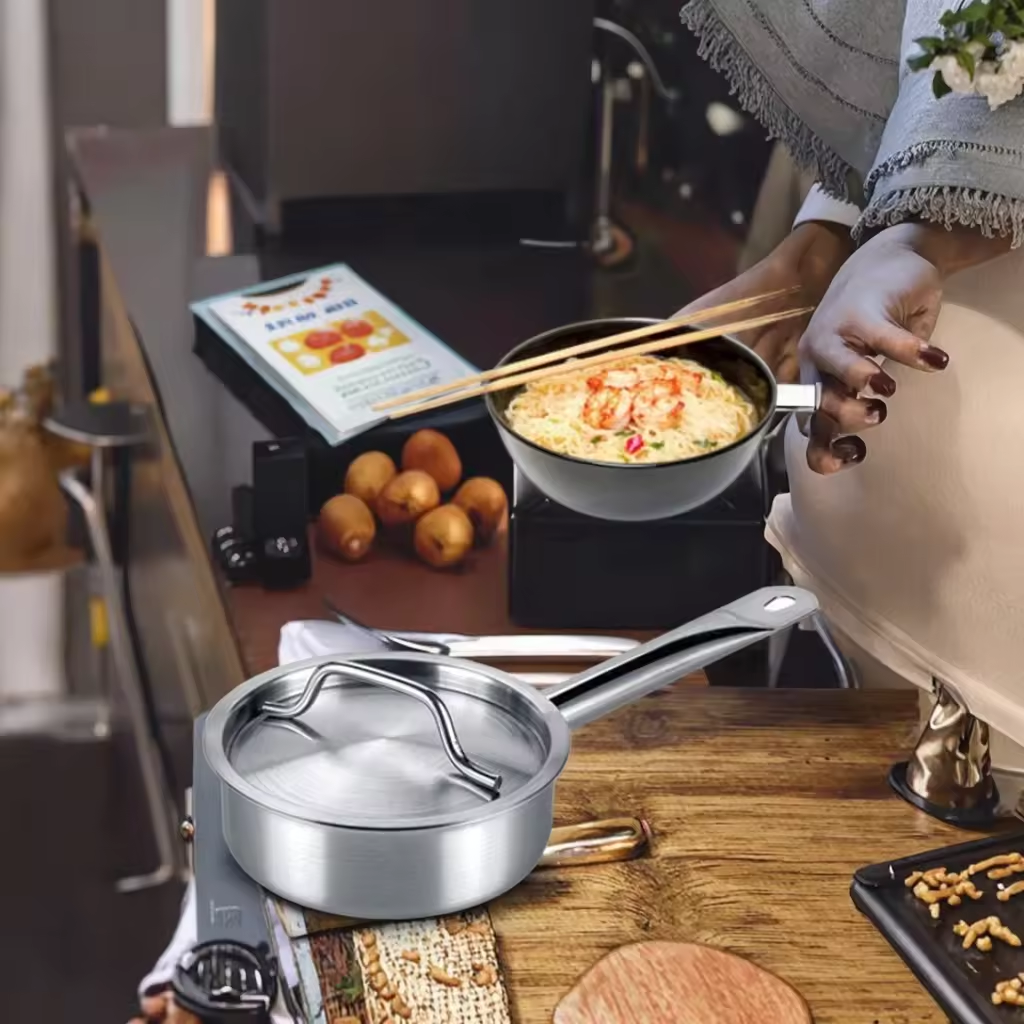
The advent of induction technology, however, marked a significant evolutionary leap for this kitchen essential. As home cooks and professional chefs alike sought greater efficiency and control, the need for specialized cookware became clear. Manufacturers responded by developing stock pots with magnetic bases, seamlessly integrating the timeless design of a large capacity pot with the cutting-edge science of induction. This fusion ensures that even the most traditional recipes can be prepared with modern precision and energy efficiency, breathing new life into time-honored techniques. The induction stock pot represents this perfect blend, carrying forward a rich legacy while embracing the future of cooking.
Decoding Materials: What Makes an Induction Stock Pot Shine?
Choosing the right material for your induction stock pot is crucial, as it directly impacts performance, durability, and even the flavors of your dishes. The magic of induction relies on magnetism, so the pot’s base must be made of ferromagnetic materials.
Stainless Steel: The Versatile Workhorse
Stainless steel is perhaps the most common and versatile material for induction stock pots. It’s durable, non-reactive, and relatively easy to maintain. For optimal performance, look for multi-clad stainless steel, which features layers of aluminum or copper sandwiched between stainless steel. This design capitalizes on aluminum’s superior heat conduction, distributing heat rapidly and evenly up the sides of the pot, preventing hot spots and ensuring consistent cooking. As culinary expert Chef Isabella Rossi often advises, “A high-quality multi-clad stainless steel induction stock pot is truly an all-rounder; it offers the best of both worlds—durability and exceptional heat distribution.”
Enameled Cast Iron: The Heat Retention Champion
Enameled cast iron induction stock pots are celebrated for their incredible heat retention and stunning aesthetics. While heavier, they maintain a consistent temperature, which is fantastic for slow-cooked dishes, braises, and stews. The enamel coating also makes them non-reactive and easier to clean than bare cast iron. Plus, their oven-safe nature provides seamless transitions from stovetop to oven.
Carbon Steel: The Responsive Contender
Carbon steel offers excellent responsiveness to temperature changes, heating up quickly and cooling down fast. It’s lighter than cast iron and can be incredibly durable. Many enamel-on-steel stock pots, which are made from carbon steel core coated with porcelain enamel, are induction compatible and offer a lightweight yet efficient option for rapid boiling and simmering.
The Magnetic Test: Your Induction Compatibility Check
If you’re unsure whether an existing stock pot is induction compatible, perform the simple “magnet test.” Hold a common kitchen magnet to the bottom of the pot. If it sticks firmly, your pot should work on an induction cooktop. Materials like aluminum, pure copper, and glass generally won’t work unless they feature a specially integrated magnetic layer in their base. Always look for the induction-compatible symbol (a coil graphic) on the packaging or bottom of the pot.
Choosing Your Culinary Companion: Factors to Consider
Selecting the perfect induction stock pot involves more than just aesthetics; it’s about matching the tool to your culinary ambitions.
Size and Capacity: Catering to Your Cooking Scale
Consider your typical cooking volume. For everyday meals and smaller families, a 6- to 8-quart induction stock pot is often sufficient for making soups, boiling pasta, or preparing small batches of broth. However, if you frequently cook for large gatherings, engage in meal prepping, or enjoy making substantial quantities of stock, a 12-quart or even a 16-quart stock pot will be your best friend. A larger pot offers ample space for ingredients to simmer properly, preventing boil-overs and allowing flavors to meld beautifully.
Base Design: The Foundation of Even Heating
A flat, thick base is paramount for an induction stock pot. This ensures maximum contact with the induction burner, leading to efficient heat transfer and preventing hot spots that can scorch food. A thin or uneven base can not only result in inconsistent cooking but also lead to buzzing noises on some induction cooktops. High-quality induction stock pots often feature a thick, encapsulated aluminum or copper disc in their base, optimizing heat distribution.
Handles and Lids: Ergonomics and Efficiency
Look for sturdy, heat-resistant handles that are securely riveted or welded to the pot. These provide a safe and comfortable grip, especially when lifting a full, heavy pot. Handles that stay cool to the touch on the stovetop are a significant plus. A tight-fitting lid is equally important, as it traps steam and flavors, accelerates cooking, and minimizes evaporation, essential for rich stocks and reducing liquid. Glass lids can be a bonus, allowing you to monitor your dish without lifting the lid and releasing heat.
Overall Construction: Investing in Durability
A quality induction stock pot is an investment. Pay attention to the overall construction—heavy gauge materials, seamless finishes, and reputable brands often signify better durability and performance. While budget options exist, a mid-range or high-end induction stock pot typically offers superior materials and craftsmanship that will withstand years of rigorous use, making it a worthwhile addition to your kitchen arsenal.
Beyond Broth: The Versatile Applications of Your Induction Stock Pot
While its name suggests a primary use, the induction stock pot is a true multi-tasker, capable of a vast array of culinary feats.
- Stocks, Broths, and Consommé: This is where your induction stock pot truly shines. Its deep sides provide ample space for bones, vegetables, and aromatics to simmer for hours, extracting maximum flavor for rich, nutritious bases. The precise temperature control of induction ensures a gentle, consistent simmer, crucial for clear and flavorful results.
- Hearty Soups, Stews, and Chili: The large capacity makes it ideal for preparing family-sized batches of comforting soups, robust stews, and savory chilis. You can sauté aromatics, brown meats, and then simmer everything together in one pot, allowing flavors to deepen and meld.
- Boiling Pasta, Grains, and Vegetables: Need to boil a big batch of pasta for a crowd or cook a significant amount of rice or quinoa? An induction stock pot brings water to a rapid boil with remarkable speed, thanks to induction’s efficiency. Its spacious interior prevents overcrowding, ensuring even cooking for all your starches and vegetables.
- Seafood Boils and Canning: For a lively seafood boil or blanching large quantities of vegetables for canning, the ample volume of an induction stock pot is indispensable. It can easily accommodate crabs, lobsters, corn, and potatoes, or manage the high-volume requirements of home canning.
- Deep-Frying: With its tall sides, an induction stock pot can also be safely used for deep-frying, minimizing splatter and maintaining a consistent oil temperature for perfectly crispy results. Always use caution and monitor oil temperature carefully.
Unlocking Peak Performance: Tips for Using Your Induction Stock Pot
To get the most out of your induction stock pot, a few simple practices can make a world of difference. First, always try to match the base size of your pot to the induction burner you’re using. This ensures optimal magnetic coupling and heating efficiency. While induction cooktops are forgiving, a pot that’s significantly smaller or larger than the burner might not heat as effectively or evenly.
Next, start with moderate heat settings and gradually increase as needed. Induction cooktops heat rapidly, so a high setting right from the start can sometimes cause ingredients to scorch before you’re ready. Avoid “dry boiling” an empty pot on high heat, as this can damage non-stick coatings or even warp the pot’s base over time. For non-stick surfaces, always use wooden, silicone, or heat-resistant plastic utensils to protect the interior finish and extend its lifespan. With these simple tips, your induction stock pot will consistently deliver outstanding results.
Preserving Your Investment: Care and Maintenance
Proper care extends the life and beauty of your induction stock pot. After each use, allow the pot to cool down completely before cleaning. Thermal shock from sudden temperature changes can sometimes warp the metal or damage non-stick surfaces. Wash your pot with warm, soapy water and a soft cloth or sponge. For stubborn food residues, a soak in warm soapy water for a few minutes usually does the trick.
Avoid using abrasive scrubbers, steel wool, or harsh chemical cleaners like bleach or chlorine, as these can scratch the surface, erode coatings, or cause discoloration. For stainless steel, a mixture of white vinegar and water can help remove limescale or bluish stains. Always dry your pot thoroughly after washing to prevent water spots and maintain its shine. When storing, consider placing a soft cloth or paper towel between stacked pots to prevent scratches. By following these simple maintenance guidelines, your induction stock pot will remain a gleaming, high-performing asset in your kitchen for years to come.
The Smart Investment: Why a Quality Induction Stock Pot Matters
Investing in a high-quality induction stock pot is more than just buying another piece of cookware; it’s an investment in a superior culinary experience and a more efficient kitchen. The energy efficiency of induction cooking, coupled with a well-designed pot, translates to faster cooking times and lower energy bills. You’ll notice liquids coming to a boil in record time, and simmering dishes maintaining precise temperatures with minimal fuss.
Beyond economics, the enhanced cooking experience is invaluable. The precise temperature control offered by induction, especially when paired with a responsive stock pot, means greater mastery over your culinary processes. Say goodbye to guesswork and uneven heating. Furthermore, a durable, well-constructed induction stock pot is built to last, resisting warping, staining, and wear, ensuring it remains a reliable tool for countless meals. It’s a foundational piece that elevates everyday cooking, contributing to a modern, efficient, and enjoyable kitchen environment.
Induction Stock Pot vs. The Rest: A Quick Comparison
While there are many pots in the kitchen, the induction stock pot carves out its unique niche. Traditional stock pots, while versatile, don’t offer the same efficiency or precise heat control on an induction cooktop, often requiring an adapter plate which reduces energy efficiency. Dutch ovens, while excellent for braising and slow cooking, are typically heavier and broader, making them less ideal for boiling large volumes of liquid or delicate stock simmering where height is advantageous. Regular saucepans are simply too small for the tasks an induction stock pot excels at, lacking the capacity for large batches. The induction stock pot is purpose-built for high-volume, liquid-heavy cooking on modern induction surfaces, providing a level of performance and compatibility that other cookware simply cannot match for these specific applications.
Frequently Asked Questions (FAQ)
Q: Can any stock pot be used on an induction cooktop?
A: No, not every stock pot is compatible with an induction cooktop. Only pots with a magnetic base, typically made of ferrous materials like cast iron, carbon steel, or certain types of stainless steel, will work.
Q: How do I know if my existing stock pot is induction-compatible?
A: The easiest way is the “magnet test.” If a magnet sticks firmly to the bottom of your stock pot, it is induction-compatible. You can also look for an induction symbol (a coiled wire icon) usually stamped on the bottom of the cookware.
Q: What are the main advantages of an induction stock pot?
A: An induction stock pot offers rapid heating, precise temperature control, even heat distribution, and energy efficiency, leading to faster cooking times and better culinary results compared to non-induction cookware on conventional stoves. The cooktop surface also remains cooler, enhancing safety.
Q: What size induction stock pot is best for a family?
A: For most families and general cooking needs, an 8-quart to 12-quart induction stock pot is highly recommended. This size is versatile enough for boiling pasta, making substantial batches of soup, or preparing stocks without being overly bulky.
Q: How should I clean my induction stock pot?
A: Always let your induction stock pot cool completely before cleaning. Wash it with warm, soapy water and a soft cloth or sponge. Avoid abrasive cleaners, steel wool, or harsh chemicals, as these can damage the pot’s surface or coatings. Dry thoroughly to prevent water spots.
The Heart of Your Modern Kitchen
As we’ve explored, the induction stock pot is far more than just a large pot; it’s a vital component for any modern kitchen, especially for those embracing induction technology. Its unique ability to heat quickly and evenly, coupled with its immense versatility, makes it an indispensable tool for everything from fundamental stocks to elaborate family feasts. Investing in a quality induction stock pot isn’t just about cooking; it’s about embracing a smarter, more efficient, and ultimately more rewarding culinary journey. So, go ahead, unlock new flavors and elevate your kitchen—your induction stock pot is ready to be the hero of your next masterpiece.
|
Our Picks for the Best Stock Pot in 2026
As an Amazon Associate I earn from qualifying purchases.
|
||
| Num | Product | Action |
|---|---|---|
| 1 | CAROTE 8QT Full Clad Tri Ply Stainless Steel Stock Pot with Lid, Kitchen Stockpot Soup Pot, Outer Ceramic Layer, Even Heating, All Stoves Compatible, Oven & Dishwasher Safe, Stay Cool Handle, Blue |

|
| 2 | Made In Cookware - 8 Quart Stainless Steel Stock Pot With Lid - 5 Ply Stainless Clad - Professional Cookware - Crafted in Italy - Induction Compatible |
|
| 3 | CAROTE 8QT Full Clad Tri Ply Stainless Steel Stock Pot with Lid, Kitchen Stockpot Soup Pot, Outer Ceramic Layer, Even Heating, All Stoves Compatible, Oven & Dishwasher Safe, Stay Cool Handle, White |
|
| 4 | 6.5-Quart Steamer Pots with Lid, Nonstick 6.5 QT Stock Pot with Vegetable Steamer, PTFE& PFAS-Free, Large Soup Steaming Pot for Cooking, Stay-Cool Handles, Induction Compatible |
|
| 5 | Kirecoo Stainless Steel Stock Pot - 8 Quart Heavy Duty Induction Cooking Pot with Visible Lid for Pasta, Soup, Spaghetti, Nonstick Thick Bottom Big Stockpot, Deep Cookware for Canning, Boiling, Simmer |
|
| 6 | Cooks Standard 18/10 Stainless Steel Stockpot 12-Quart, Classic Deep Cooking Pot Canning Cookware with Stainless Steel Lid, Silver |
|
| 7 | Amazon Basics Stainless Steel Stock Pot with Lid, 8 Quart, Even Heating, Easy to Clean, Silver |
|
| 8 | CAROTE 8QT Full Clad Tri Ply Stainless Steel Stock Pot with Lid, Kitchen Stockpot Soup Pot, Outer Ceramic Layer, Even Heating, All Stoves Compatible, Oven & Dishwasher Safe, Stay Cool Handle, Purple |
|
| 9 | HexClad Hybrid Nonstick 12-Quart Stockpot with Tempered Glass Lid, Stay-Cool Handles, Dishwasher-Friendly, Oven-Safe Up to 900°F, Induction Ready, Compatible with All Cooktops |
|
| 10 | T-fal Specialty Nonstick Stockpot With Lid 12 Quart, Oven Broiler Safe 350F, Stay-Cool Handles, Kitchen, Cookware, Pots and Pans, Stock Pot, Soup Pot, Cooking Pot, Dishwasher Safe, Black |
|