In the bustling world of home kitchens and professional culinary spaces, the stock pot stands as an undisputed workhorse, the unsung hero behind countless comforting soups, hearty stews, and rich, foundational broths. But what if this essential vessel offered more than just utility? What if it offered a window into the very art of cooking? Enter the Glass Stock Pot, a revolutionary piece of cookware that marries functionality with aesthetic grace, transforming everyday cooking into an engaging, visual spectacle.
Imagine watching your ingredients dance and meld, the gentle simmer of a broth or the vibrant colors of a vegetable medley unfolding before your eyes. A glass stock pot isn’t just about cooking; it’s about experiencing the process, offering a clear advantage that traditional opaque cookware simply can’t match. For the health-conscious and design-savvy chef, it’s not merely a trend—it’s an elevation of the culinary journey.
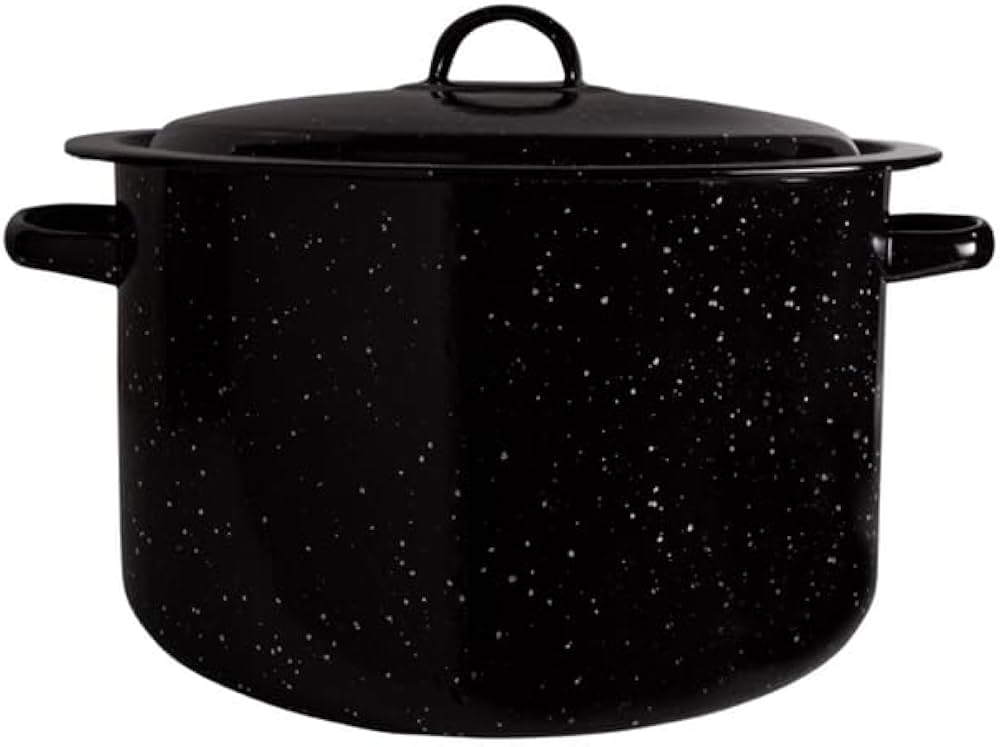
What Exactly is a Stock Pot? (And Why Glass is a Game Changer)
At its core, a stock pot is a large, deep pot designed for cooking substantial quantities of liquids. Its tall sides minimize evaporation, making it ideal for slow simmering tasks like crafting homemade stocks, reducing sauces, or boiling pasta. Traditionally, these pots have been made from stainless steel, aluminum, or cast iron, each with its own merits.
However, the advent of the glass stock pot marks a significant shift. Crafted from specialized heat-resistant materials, predominantly borosilicate glass, these pots redefine transparency in the kitchen. Borosilicate glass is renowned for its exceptional durability and ability to withstand extreme temperature fluctuations without shattering, making it perfectly safe for stovetop use. This isn’t just a pot; it’s a statement, inviting you to engage more deeply with your food.
A Clear View into Culinary History: The Evolution of the Stock Pot
The history of the stock pot is as old as cooking itself, with early versions ranging from crude earthenware vessels used over open fires to sophisticated copper and iron pots in ancient kitchens. For centuries, the cooking process was largely hidden from view, a mystery unfolding within opaque walls.
The 20th century brought innovations in metallurgy, leading to the widespread use of stainless steel and aluminum. While these materials offered durability and efficient heat transfer, they still kept the culinary magic under wraps. The true game-changer arrived with the development of robust, heat-resistant glass, particularly borosilicate glass. This allowed kitchenware designers to reimagine traditional forms, introducing a visual element that was once unthinkable. Suddenly, home cooks could observe the transformation of ingredients, adding a new layer of delight and control to their cooking experience with a glass stock pot.
Understanding Your Glass Stock Pot: Materials and Types
When we talk about a glass stock pot, we’re primarily referring to cookware made from high-quality borosilicate glass. This material is a marvel of modern engineering, fortified with boron trioxide, which gives it a remarkably low coefficient of thermal expansion. In simpler terms, it can handle significant temperature changes—like moving from a stovetop to a counter—without cracking or breaking.
Unlike regular soda-lime glass found in drinking glasses, borosilicate glass is designed for high-heat applications. It’s not just about heat tolerance; it’s about thermal shock resistance, a critical feature for any stovetop cookware. These pots are available in various capacities, typically ranging from smaller saucepot sizes to larger family-sized stock pots, though finding truly enormous glass stock pots (like 20-quart ones) is less common than with metal counterparts. Their clear nature means you can instantly gauge liquid levels and simmering intensity, making precision cooking a breeze.
Choosing Your Perfect Transparent Companion: A Buyer’s Guide
Selecting the right glass stock pot is an investment in your culinary future. Here’s what to consider:
What to Look for in a Glass Stock Pot:
- Material Quality: Always prioritize
glass stock potsmade from heat-resistant borosilicate glass. This is non-negotiable for safety and longevity. Cheap alternatives might not withstand stovetop temperatures. - Size and Capacity: Consider your cooking habits. Are you often making large batches of soup or stock, or do you need a smaller pot for everyday simmering? Capacities typically range from 2-quarts for smaller tasks up to 5-7 quarts for more substantial meals.
- Stove Compatibility: This is a crucial point. While
glass stock potsare suitable for most heat sources like gas, electric, ceramic, and halogen cooktops, they are generally not compatible with induction stoves. Induction cooking relies on magnetic fields to heat the pot directly, and most glass cookware lacks the necessary ferromagnetic properties. Always double-check product specifications. - Handles and Lids: Look for sturdy, ergonomically designed handles that provide a secure grip, especially when the pot is full and hot. Many glass pots incorporate elegant wooden or silicone elements for both style and heat protection. A well-fitting glass lid is essential for efficient simmering and retaining moisture.
Beyond Broth: The Versatile Uses of a Glass Stock Pot
While “stock pot” implies its primary use for stocks, a glass stock pot is a surprisingly versatile kitchen tool that extends far beyond just brewing broths.
- Soups and Stews: The transparent walls allow you to monitor the thickening of your soups and stews, ensuring perfect consistency without constantly lifting the lid. You can watch vegetables soften, meats tenderize, and flavors deepen.
- Broths and Stocks: This is where the glass pot truly shines. Witnessing the impurities rise, the clarity of your consommé develop, or the rich color of a bone broth extracting is not just practical; it’s a satisfying culinary experience. You can easily skim impurities without disrupting the simmer.
- Boiling Pasta/Vegetables: Say goodbye to overcooked pasta! The
glass stock potlets you see exactly when the water is boiling and when your pasta or vegetables reach that perfect al dente or tender crispness. - Infusions and Decoctions: For herbal teas, spiced ciders, flavored oils, or even making homemade tinctures, the visual aspect helps you gauge the color and strength of your infusion, ensuring optimal results.
- Poaching Delicate Foods: Whether it’s fish, eggs, or chicken, poaching requires gentle heat. The clear view helps maintain a delicate simmer, preventing aggressive boiling that can break apart your ingredients.
Mastering Your Glass Stock Pot: Usage and Performance Tips
To get the best out of your glass stock pot and ensure its longevity, a few simple practices go a long way.
- Even Heating: When cooking on a gas stove, ensure the flame distributes evenly across the bottom of the pot to prevent hot spots. This helps in uniform cooking and protects the glass from unnecessary stress.
- Avoid Extreme Temperature Changes: Borosilicate glass is resilient, but rapid, drastic temperature shifts can still cause issues. Avoid placing a hot glass pot directly onto a cold surface, or pouring cold water into a very hot pot, and vice-versa. Let it cool down gradually.
- Proper Filling: Do not overfill your stock pot. Leave enough headspace for simmering liquids to prevent boiling over, especially when adding ingredients.
- Gentle Handling: While durable, glass is still glass. Avoid harsh impacts or dropping the pot to prevent chips or cracks.
Keeping It Crystal Clear: Care and Maintenance
One of the delightful aspects of a glass stock pot is its ability to retain its pristine, transparent appearance with minimal effort.
- Cleaning Made Easy: Most
glass stock potsare conveniently dishwasher safe, making cleanup a breeze. For handwashing, use a soft sponge and mild dish soap. Avoid abrasive scrubbers or harsh chemicals that could scratch the surface. - Preventing Stains: Glass is a non-porous material, meaning it doesn’t absorb odors or food colors. However, residue can build up. For stubborn cooked-on food, a soak in warm soapy water usually does the trick.
- Safe Utensils: To avoid any surface scratches, opt for wooden, silicone, or plastic utensils when stirring or serving.
- Thoughtful Storage: Store your
glass stock potcarefully to prevent accidental chips or cracks. If stacking, place a cloth or paper towel between pots to cushion them.
The Clear Advantages: Why Invest in a Quality Glass Stock Pot
Choosing a glass stock pot is more than just a style choice; it brings tangible benefits to your kitchen.
- Health and Hygiene: Glass is an inert material, meaning it won’t leach chemicals into your food, absorb odors, or react with acidic ingredients. This makes it an incredibly hygienic and safe choice for cooking, especially for those prioritizing non-toxic kitchenware. “Glass provides a pristine cooking environment, ensuring that the true flavors of your ingredients shine through without any metallic aftertaste,” notes culinary expert Chef Julianne Thompson.
- Visual Cooking: The sheer joy of watching your food cook is unmatched. From the gentle simmer of a broth to the vibrant colors of vegetables, the transparency allows for precise monitoring and adds an element of culinary artistry to your kitchen.
- Durability and Longevity: Made from tough borosilicate glass, these pots are built to last. With proper care, they resist scratches and retain their clarity and shine for years, unlike some metal pots that can dull or pit over time.
- Eco-Friendly Choice: Glass is a sustainable and recyclable material, making a
glass stock potan environmentally conscious addition to your kitchen arsenal. - Elegant Presentation: Beyond the stove, the elegant design of a glass pot means it can go straight to the table, serving your culinary creations with a touch of sophistication.
Glass Stock Pot vs. The Rest: A Clear Comparison
When weighing a glass stock pot against its metal counterparts, its unique properties truly stand out.
- Against Stainless Steel: Stainless steel is durable and induction-compatible, but opaque. A glass pot offers visual cooking and is often lauded for its non-reactive, hyper-hygienic surface. While stainless steel is also non-reactive, glass offers a level of purity and transparency that metal cannot.
- Against Cast Iron: Cast iron excels at heat retention and even cooking, but it’s heavy, requires seasoning, and is entirely opaque. A glass pot is much lighter, requires less specialized care, and provides that invaluable visual feedback.
- Against Aluminum: Aluminum is lightweight and conducts heat well but can react with acidic foods and is prone to staining. Glass is completely non-reactive and maintains its appearance.
The glass stock pot carves out its own niche by prioritizing visibility, hygiene, and a lighter, more elegant cooking experience, even with the general limitation of induction incompatibility.
Frequently Asked Questions About Glass Stock Pots
Q: Are glass stock pots safe for cooking?
A: Absolutely! Glass stock pots are typically made from heat-resistant borosilicate glass, which is non-toxic, non-reactive, and considered very safe and hygienic for cooking purposes.
Q: Can I use a glass stock pot on an induction stove?
A: Generally, no. Most glass stock pots are not induction compatible as they lack the magnetic properties required for induction cooking. They are best suited for gas, electric, and ceramic stovetops.
Q: How do I clean a glass stock pot?
A: Cleaning is straightforward. Most glass stock pots are dishwasher safe, or you can easily hand wash them with warm, soapy water and a soft sponge. They are designed to retain their transparency and shine.
Q: What are the main benefits of a glass stock pot?
A: Key benefits include hygienic cooking (no harmful substances or absorbed odors), visual monitoring of your food, aesthetic appeal, and durable, long-lasting clarity.
Q: What temperatures can a glass stock pot withstand?
A: High-quality glass stock pots made from borosilicate glass can typically withstand temperatures from -10°C to +180°C (14°F to 356°F), making them safe for stovetop cooking.
Q: Do glass stock pots scratch easily?
A: Durable borosilicate glass is designed to resist scratches and fading over time. With proper care, using soft utensils and non-abrasive cleaners, your glass stock pot will maintain its original shine and transparency.
Conclusion: Embrace the Transparency in Your Kitchen
The glass stock pot is more than just a piece of kitchen equipment; it’s an invitation to rediscover the joy and artistry of cooking. By offering an unobstructed view into the culinary process, promoting hygienic food preparation, and adding a touch of modern elegance to your home, it stands apart from traditional cookware. It’s an essential tool for anyone who values both form and function in their kitchen, transforming everyday meals into engaging culinary experiences. So, why not embrace the transparency and let a glass stock pot elevate your cooking?