Every culinary journey, from crafting a simple, comforting soup to orchestrating a grand feast, hinges on having the right tools. Among these, the Large Stock Pot stands as an unsung hero, an indispensable vessel that transforms ambitions into delicious realities. It’s more than just a pot; it’s the foundation for incredible flavors, a time-saving marvel for busy families, and a cornerstone for truly nourishing cooking. This guide will delve deep into the world of the large stock pot, unraveling its history, varied uses, material science, and how to choose, use, and care for this kitchen essential.
What Exactly is a Large Stock Pot?
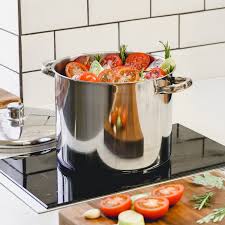
At its heart, a large stock pot is a generously sized, deep, cylindrical cooking vessel characterized by its tall, straight sides, a wide, flat bottom, two sturdy loop handles, and a tight-fitting lid. Unlike shallower pots or pans, its distinctive design is engineered to handle substantial volumes of liquid, making it ideal for processes that require minimal evaporation and prolonged simmering. This unique structure ensures even heat distribution and provides ample space for ingredients to swim freely, allowing flavors to meld and develop harmoniously.
The Rich History of This Kitchen Workhorse
The concept of a large vessel for simmering has roots deep in culinary history, evolving from basic cauldrons used over open fires to the refined, specialized pots we know today. Historically, communities relied on these large pots for communal cooking, creating nourishing broths and stews that formed the backbone of their diets. Over centuries, as metallurgy advanced, so did the stock pot, transitioning through various materials from cast iron to copper and eventually to the stainless steel and multi-clad designs prevalent today. Its evolution mirrors our own culinary journey, moving from necessity to an appreciation for efficiency, quality, and the sheer joy of creating food in bulk.
Decoding Materials: Choosing Your Large Stock Pot’s Core
The material of your large stock pot profoundly influences its performance, durability, and even how you’ll care for it. Understanding these differences is key to making an informed choice.
Stainless Steel
Stainless steel large stock pots are a popular choice, celebrated for their durability, resistance to rust and corrosion, and non-reactive surface. This means they won’t impart metallic flavors to acidic foods like tomato sauces or wine-based reductions. They are also generally dishwasher-safe and maintain their pristine appearance with proper care. However, stainless steel alone isn’t the best heat conductor. For optimal heat distribution, look for “clad” stainless steel pots, which feature layers of more conductive metals.
Aluminum
Aluminum stock pots are lightweight and excellent heat conductors, heating up quickly and evenly. This makes them a cost-effective option for many home cooks. However, pure aluminum can react with acidic or alkaline foods, potentially altering the taste and color of your dishes. Anodized aluminum addresses this issue by creating a hardened, non-reactive surface. They are typically not dishwasher-safe and can be prone to staining or warping if not cared for properly.
Multi-Ply (Clad) Construction
For many culinary experts, multi-ply construction (often referred to as tri-ply or 5-ply) represents the pinnacle of stock pot design. These pots combine the best attributes of different metals. Typically, they feature an inner and outer layer of durable, non-reactive stainless steel, sandwiching a core of highly conductive aluminum or copper. According to John Smith, a renowned material science expert in cookware design, “The true magic of a multi-ply stock pot lies in its layered construction. It brings together the non-reactive durability of stainless steel with the exceptional heat conductivity of aluminum, ensuring your culinary creations cook perfectly evenly every time.” This construction ensures superior heat distribution, eliminates hot spots, and offers robust durability.
Enameled Steel and Cast Iron
Enameled stock pots, whether made from steel or cast iron, are beautiful additions to any kitchen and excel at heat retention. Enameled steel is lighter than cast iron and heats quickly, while enameled cast iron is exceptionally heavy and retains heat for extended periods, making it ideal for slow, consistent cooking. Both offer a non-reactive surface. The primary drawback for enameled surfaces is their susceptibility to chipping if dropped or handled roughly.
Ceramic Coated
Ceramic-coated large stock pots are prized for their non-stick properties and non-toxic surfaces, free from harmful chemicals like PFAS and PTFE. They are easy to clean and often come in aesthetically pleasing designs. However, the ceramic coating requires careful handling to prevent scratching or chipping, and its durability may not match that of stainless steel, especially under very high heat.
Finding Your Perfect Match: How to Choose the Right Large Stock Pot
Selecting the ideal large stock pot involves balancing your cooking habits, kitchen space, and budget with crucial design features.
Capacity Considerations
The “large” in large stock pot isn’t just a suggestion; it’s a promise of ample capacity.
- 8-12 Quarts: This size range is highly versatile for families of 4-6, perfectly accommodating weekly soup batches, a pound of pasta, or small-to-medium batches of stock.
- 12-16 Quarts: Ideal for larger families (6-8 people), frequent entertaining, or those who love to batch cook and freeze meals. This capacity shines for substantial stews, chili cook-offs, or boiling corn on the cob.
- 16+ Quarts: For very large gatherings, serious home canning, or specialized tasks like brewing, a 16-quart or even larger capacity is essential.
- Pro-tip: Chef Julia Roberts, a celebrated culinary instructor, often advises, “When in doubt between two sizes, always opt for the larger stock pot. You can always cook less in a big pot, but you can’t cook more in a small one!”
|
Our Picks for the Best Stock Pot in 2026
As an Amazon Associate I earn from qualifying purchases.
|
||
| Num | Product | Action |
|---|---|---|
| 1 | Cooks Standard 18/10 Stainless Steel Stockpot 12-Quart, Classic Deep Cooking Pot Canning Cookware with Stainless Steel Lid, Silver |

|
| 2 | HexClad Hybrid Nonstick 12-Quart Stockpot with Tempered Glass Lid, Stay-Cool Handles, Dishwasher-Friendly, Oven-Safe Up to 900°F, Induction Ready, Compatible with All Cooktops |
|
| 3 | Made In Cookware - 8 Quart Stainless Steel Stock Pot With Lid - 5 Ply Stainless Clad - Professional Cookware - Crafted in Italy - Induction Compatible |
|
| 4 | CAROTE 8QT Full Clad Tri Ply Stainless Steel Stock Pot with Lid, Kitchen Stockpot Soup Pot, Outer Ceramic Layer, Even Heating, All Stoves Compatible, Oven & Dishwasher Safe, Stay Cool Handle, White |
|
| 5 | T-fal Specialty Nonstick Stockpot With Lid 12 Quart, Oven Broiler Safe 350F, Stay-Cool Handles, Kitchen, Cookware, Pots and Pans, Stock Pot, Soup Pot, Cooking Pot, Dishwasher Safe, Black |
|
| 6 | Amazon Basics Stainless Steel Stock Pot with Lid, 8 Quart, Even Heating, Easy to Clean, Silver |
|
| 7 | Kirecoo Stainless Steel Stock Pot - 8 Quart Heavy Duty Induction Cooking Pot with Visible Lid for Pasta, Soup, Spaghetti, Nonstick Thick Bottom Big Stockpot, Deep Cookware for Canning, Boiling, Simmer |
|
| 8 | CAROTE 8QT Full Clad Tri Ply Stainless Steel Stock Pot with Lid, Kitchen Stockpot Soup Pot, Outer Ceramic Layer, Even Heating, All Stoves Compatible, Oven & Dishwasher Safe, Stay Cool Handle, Purple |
|
| 9 | CAROTE 8QT Full Clad Tri Ply Stainless Steel Stock Pot with Lid, Kitchen Stockpot Soup Pot, Outer Ceramic Layer, Even Heating, All Stoves Compatible, Oven & Dishwasher Safe, Stay Cool Handle, Blue |
|
| 10 | 6.5-Quart Steamer Pots with Lid, Nonstick 6.5 QT Stock Pot with Vegetable Steamer, PTFE& PFAS-Free, Large Soup Steaming Pot for Cooking, Stay-Cool Handles, Induction Compatible |
|
Construction & Design
Beyond material and size, specific design elements contribute significantly to a stock pot’s performance and user-friendliness:
- Thick, Heavy Bottom: A weighty base is critical for even heat distribution, preventing scorching and hot spots, especially during long simmering sessions.
- Sturdy, Riveted Handles: Look for wide, comfortable handles that are securely riveted to the pot, ensuring safe lifting and transport, even when full. Stay-cool handles are a major bonus.
- Tight-Fitting Lid: A lid that seals well traps heat and moisture, crucial for efficient simmering and reducing evaporation. Glass lids allow you to monitor cooking without lifting.
- Tapered Rims: A slight taper or flared rim facilitates drip-free pouring, making transferring liquids much cleaner.
- Internal Volume Markings: While not essential, internal measurement markings can be incredibly helpful for precise recipes and batch cooking.
Heat Source Compatibility
Ensure your chosen large stock pot is compatible with your stovetop. If you have an induction cooktop, the pot’s base must be made of a ferromagnetic material (magnetic). Always check the manufacturer’s specifications for oven-safe temperature ratings if you plan to transfer your pot from stovetop to oven for finishing dishes.
Beyond Broth: The Versatile Applications of Your Large Stock Pot
The “stock” in stock pot points to its traditional purpose, but its utility extends far beyond just making broth. This impressive vessel is a true kitchen MVP, capable of a myriad of culinary tasks.
Crafting Flavorful Stocks and Broths
This is where the large stock pot truly shines. Its tall sides and ample volume are perfect for slowly simmering bones, vegetables, and aromatics for hours, extracting every nuance of flavor to create rich, homemade stocks and broths – the foundation of countless recipes.
Hearty Soups, Stews, and Chili
Whether it’s a robust beef stew, a vibrant vegetable soup, or a spicy chili, a large stock pot provides the generous space needed to combine ingredients and allow complex flavors to meld beautifully. You can easily cook enough for a crowd or prepare a big batch for meal prepping.
Boiling Pasta, Potatoes, and Corn
Its wide diameter and deep sides make it ideal for boiling large quantities of pasta without crowding, ensuring perfectly cooked noodles. It’s equally adept at boiling potatoes for mashing or serving up a summer seafood boil with corn on the cob.
Seafood Boils
For lobster, crab, or shrimp boils, the large stock pot is indispensable, providing ample space for both the seafood and the flavorful liquid.
Blanching Vegetables
A quick dip in boiling water followed by an ice bath, known as blanching, is excellent for preserving the color, texture, and nutrients of vegetables before freezing or incorporating them into salads. A large stock pot handles generous portions with ease.
Canning and Preserving
For home preservers, a large stock pot doubles as a water bath canner, sterilizing jars and processing jams, jellies, and pickles safely. Its size allows for managing multiple jars simultaneously.
Deep Frying (with Caution)
With enough neutral oil, a sturdy large stock pot can be used for deep frying, offering high sides to minimize splattering. Always use caution and a deep-fry thermometer to maintain safe oil temperatures.
Steaming (with Inserts)
Many large stock pots can be paired with steamer inserts, transforming them into efficient steaming systems for vegetables, seafood, or dumplings, locking in moisture and nutrients.
Maximizing Performance: Tips for Using Your Large Stock Pot
Getting the most out of your large stock pot goes beyond just tossing in ingredients. A few simple techniques can elevate your cooking experience:
- Proper Preheating: For stainless steel pots, preheating the empty pot on medium heat for a few minutes before adding oil helps prevent sticking and ensures even browning. You’ll know it’s ready when a drop of water dances and evaporates rather than sitting or sizzling.
- Avoid Overcrowding: When browning meats or sautéing vegetables, work in batches if necessary. Overcrowding can lower the pot’s temperature, leading to steaming rather than browning, and uneven cooking.
- Stirring Techniques: For thick stews and sauces, regular stirring, especially near the bottom, is essential to prevent sticking and ensure uniform cooking.
- Mastering Temperature Control: The large stock pot excels at slow simmering. Learning to adjust your heat to maintain a gentle bubble, rather than a rolling boil, is crucial for developing deep flavors in stocks and soups and avoiding scorching.
Preserving Your Investment: Care and Cleaning for Longevity
A quality large stock pot is an investment, and with proper care, it can serve your kitchen for decades.
- Cool Down First: Always allow your pot to cool completely to room temperature before cleaning. “The golden rule for stock pot longevity is simple: cool it down naturally,” emphasizes Chef Maria Garcia, known for her meticulous kitchen practices. “Thermal shock from plunging a hot pot into cold water can cause irreversible warping, compromising its performance.”
- Hand Wash vs. Dishwasher: While many stainless steel stock pots are dishwasher safe, hand washing with warm, soapy water and a soft sponge is generally recommended for all materials to extend their lifespan, especially for pots with specialized coatings or intricate designs.
- Gentle Cleaning is Key: Avoid abrasive cleaners, steel wool, or harsh scouring pads, which can scratch surfaces and damage coatings. For stubborn, stuck-on food, fill the pot with warm water and a few drops of dish soap and let it soak for 15-30 minutes. A paste of baking soda and water or a vinegar solution can tackle discoloration and tougher stains.
- Thorough Drying: Always dry your stock pot completely after washing to prevent water spots, mineral buildup, and potential rust, particularly for aluminum or cast iron.
- Smart Storage: If nesting pots, place a soft cloth or paper towel between them to prevent scratches. Store lids separately or upside down to allow air circulation.
The Stock Pot vs. The Rest: A Culinary Showdown
While the large stock pot is incredibly versatile, it’s helpful to understand how it differs from other common cookware.
- Stock Pot vs. Dutch Oven: A large stock pot is typically taller with straighter, thinner sides, designed to hold significant volumes of liquid for boiling and simmering on the stovetop. A Dutch oven, by contrast, is usually shorter, wider, and made of much thicker, heavier material (often cast iron), excelling at braising, roasting, and baking both on the stovetop and in the oven, where its superior heat retention truly shines.
- Stock Pot vs. Saucepan: Think of a saucepan as the stock pot’s smaller sibling. Saucepans are generally smaller in diameter and shallower, ideal for cooking smaller quantities of sauces, gravies, or single servings of food. The large stock pot is designed for volume and slow, extended cooking.
Why a Quality Large Stock Pot is a Kitchen Essential
Investing in a quality large stock pot is one of the smartest decisions you can make for your kitchen. It’s an investment in efficiency, flavor, and culinary freedom. Its sheer capacity empowers you to:
- Save Time & Energy: Batch cook family meals or meal prep for the week, reducing daily cooking efforts.
- Achieve Consistent Results: Its design promotes even cooking and gentle simmering, essential for complex dishes.
- Build Flavorful Foundations: Create homemade stocks and broths that elevate every dish.
- Embrace Culinary Versatility: From everyday pasta to holiday feasts, it handles a remarkable range of recipes.
- Prioritize Health: Homemade meals, often started in a stock pot, allow control over ingredients and nutrition.
Frequently Asked Questions
What size large stock pot is best for a family of six?
For a family of six, a 12-quart large stock pot is generally ideal. It offers ample space for family-sized portions of soups, stews, pasta, and allows for some leftovers. If you frequently host or engage in extensive batch cooking, a 16-quart model could provide even more flexibility.
Are stainless steel large stock pots better than aluminum ones?
Both materials have distinct advantages. Stainless steel large stock pots are highly durable, non-reactive, and easy to maintain, often dishwasher-safe. However, aluminum excels at heat conductivity, heating faster and more evenly. Many premium pots combine these benefits, featuring stainless steel layers with an aluminum or copper core for optimal performance.
Can I use my large stock pot in the oven?
Most quality stainless steel large stock pots are oven-safe, but it’s crucial to check the manufacturer’s specifications for maximum temperature ratings. Components like handles (if plastic or silicone) and lids might have lower heat tolerances. Fully metal pots are typically oven-safe to higher temperatures.
How do I prevent food from sticking to the bottom of my large stock pot?
To prevent sticking, especially with stainless steel pots, always preheat the pot on medium heat before adding oil or ingredients. Avoid overcrowding, stir regularly (particularly for thicker mixtures), and use medium heat settings for most cooking rather than high heat. A heavy, multi-ply bottom also significantly reduces sticking by distributing heat evenly.
What’s the difference between a large stock pot and a Dutch oven?
A large stock pot is generally taller and narrower, with straighter sides, designed for high-volume liquid cooking on the stovetop, such as stocks, soups, and boiling. A Dutch oven is typically shorter, wider, and much heavier, often made of cast iron, and is designed for both stovetop and oven use, excelling in slow braising, roasting, and baking.
How do I clean burnt food from the bottom of my large stock pot?
For stubborn burnt-on food, fill the pot with water, add a few tablespoons of baking soda, and bring it to a simmer for 10-15 minutes. The mixture will help loosen the residue. After it cools, gently scrape with a wooden spoon or plastic scraper, then clean with warm, soapy water and a non-abrasive sponge.
Conclusion
The large stock pot is more than just a piece of cookware; it’s a catalyst for culinary creativity, a silent partner in countless delicious memories. Its versatility, robust construction, and generous capacity make it an indispensable tool for every home cook, especially those feeding a family or embracing the efficiency of batch cooking. By understanding the nuances of materials, choosing the right size, and adhering to simple care routines, your large stock pot will undoubtedly become a cherished staple in your kitchen. So, embrace the possibilities, experiment with new recipes, and let your large stock pot inspire a lifetime of magnificent meals.