Ever found yourself in the kitchen, wrestling with a pot that’s just not quite right for the job? Perhaps your pasta spills over, your broth evaporates too quickly, or you can’t quite fit that whole ear of corn. If this sounds familiar, it’s time to introduce you to a culinary game-changer: the Tall Stock Pot. This unsung hero of the kitchen isn’t just a bigger pot; it’s a meticulously designed vessel that unlocks a world of cooking possibilities, making big-batch cooking, simmering, and boiling a breeze.
Imagine a pot that stands proudly on your stovetop, its straight, high sides promising efficiency and delicious results. That, my friends, is the essence of a tall stock pot. It’s more than just a piece of cookware; it’s an investment in culinary ease and versatility, ready to transform your approach to everything from rich, aromatic broths to a lively seafood boil. Let’s dive in and explore why this kitchen essential deserves a prime spot in your home.
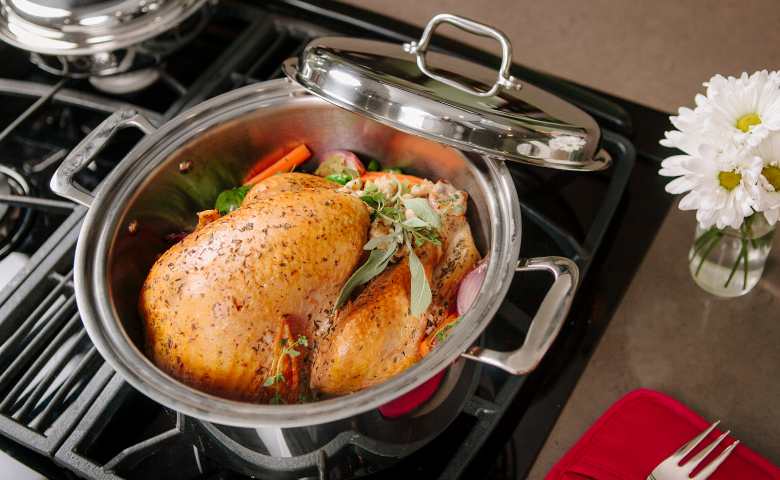
What Exactly is a Tall Stock Pot?
At its core, a tall stock pot is a large, deep cooking vessel characterized by its notably high, straight sides and a wide, flat bottom. Typically accompanied by a tight-fitting lid and two sturdy loop handles, its design is intentional and optimized for specific culinary tasks. Unlike shallower pots that maximize surface area for rapid reduction, the tall design minimizes the liquid’s exposure to air, significantly slowing down evaporation. This feature alone makes it indispensable for dishes that require prolonged simmering, ensuring your flavors concentrate beautifully without constant refilling.
A Brief History of the Stock Pot’s Evolution
The concept of a large pot for simmering hasn’t just appeared overnight; it’s evolved alongside human civilization. From ancient clay vessels used for communal stews and porridges to the robust metal pots of medieval kitchens, the need for a sizable cooking container has always been paramount. The “stock pot” as we know it today, with its specific tall and cylindrical form, truly came into its own with the advent of more sophisticated metallurgy and the refinement of culinary techniques. As kitchens became more specialized and the art of French cuisine, with its emphasis on foundational stocks, grew in prominence, the tall stock pot became an indispensable tool for chefs and home cooks alike, steadily evolving in materials and design to meet modern demands for efficiency and durability.
Exploring the World of Tall Stock Pots: Materials and Types
The magic of a tall stock pot isn’t just in its shape; it’s also deeply rooted in the materials it’s crafted from. Each material brings its own unique set of benefits to your cooking adventures.
Stainless Steel: The Reliable Workhorse
Stainless steel tall stock pots are perhaps the most common, and for good reason. They are incredibly durable, resistant to corrosion and rust, and non-reactive, meaning they won’t impart metallic flavors to acidic foods like tomato sauces. While stainless steel itself isn’t the best heat conductor, many high-quality pots feature a multi-ply construction with an aluminum or copper core (often called “clad” or “tri-ply”). This clever design sandwiches a highly conductive metal between layers of stainless steel, ensuring even heat distribution throughout the pot, right up the sides.
Aluminum: The Heat Conductor
Aluminum tall stock pots are prized for their excellent heat conductivity, heating up quickly and evenly. They are often lighter than their stainless steel counterparts, making them easier to maneuver when full. However, raw aluminum can react with acidic foods, potentially altering their flavor and color. To counteract this, many aluminum pots are “hard-anodized,” creating a harder, non-reactive, and sometimes non-stick surface that is more durable and easier to clean.
Enameled Cast Iron: The Slow-Cooking Champion
While less common for truly tall stock pots, enameled cast iron options exist and are exceptional for slow-cooking. Cast iron is renowned for its superior heat retention and even heat distribution, perfect for long-simmering stews and braises. The enamel coating prevents rust and makes the pot non-reactive and easier to clean than bare cast iron. Be prepared for a heavier pot, though!
Carbon Steel (Enameled): Lightweight and Responsive
Enameled carbon steel stock pots offer a lighter alternative to cast iron while still providing excellent heat retention and responsiveness. They heat up very quickly, which is ideal for rapidly bringing large volumes of liquid to a boil. The enamel finish ensures a non-reactive surface and adds a touch of color to your kitchen.
Choosing Your Perfect Tall Stock Pot: A Buyer’s Guide
Selecting the right tall stock pot can feel like a big decision, but with a few pointers, you’ll find your perfect match.
Size and Capacity: Match to Your Culinary Ambitions
The size of your tall stock pot is perhaps the most crucial factor. For most home cooks, an 8- to 12-quart stock pot is incredibly versatile. A 6-quart might suffice for smaller households or individual meals, while 16-quart or even larger pots are ideal for big family gatherings, ambitious canning projects, or home brewing. Think about what you’ll cook most often:
- Small (4-6 quarts): Daily pasta, smaller batches of soup.
- Medium (8-10 quarts): Family meals, everyday stocks, soups.
- Large (12+ quarts): Batch cooking, canning, seafood boils, brewing, entertaining.
A general guideline: aim for at least 1 to 1.5 quarts per person for soups, but consider the volume of ingredients for stocks and other dishes.
Stovetop Compatibility
Always check if your chosen pot is compatible with your stovetop. Most stock pots work on gas and electric ranges, but if you have an induction cooktop, you’ll need a pot specifically designed for induction (usually stainless steel or cast iron with a magnetic base).
Handles and Lids: Comfort and Security
Look for stock pots with wide, sturdy, and securely riveted loop handles. When a tall stock pot is full, it can be incredibly heavy, so comfortable, heat-resistant handles that offer a good grip, even with oven mitts, are non-negotiable. A tight-fitting lid is essential for retaining heat and moisture, which is key for efficient simmering and preventing boil-overs. Glass lids can be a bonus, allowing you to monitor your cooking without lifting the lid and releasing steam.
Base Thickness: The Foundation of Flavor
A thick, heavy bottom is a sign of a quality stock pot. This ensures even heat distribution, preventing scorching and hot spots, which can ruin your carefully crafted sauces and stocks. Multi-ply bases, where a conductive metal like aluminum is sandwiched between stainless steel, are excellent for this.
Unleashing Its Power: Versatile Uses for Your Tall Stock Pot
The tall stock pot is a true culinary chameleon, capable of tackling an impressive array of dishes with finesse.
Broths and Stocks: The Culinary Foundation
This is where the tall stock pot truly shines. Its high sides minimize evaporation, allowing you to simmer bones, vegetables, and aromatics for hours to extract every last bit of flavor, resulting in rich, concentrated stocks and broths. Less evaporation means less need to constantly top up with water.
Pasta Perfection
Forget overflowing pots and clumpy pasta! A tall stock pot provides ample vertical space for pasta to move freely, preventing sticking and ensuring even cooking. It’s the secret to perfectly al dente noodles every time.
Seafood Boils and Corn on the Cob
Whether it’s a vibrant seafood boil with crab, shrimp, and mussels, or simply boiling long ears of corn, the height of the tall stock pot allows you to fully submerge your ingredients, ensuring they cook uniformly.
Soups and Stews: Batch Cooking Made Easy
For hearty soups, comforting stews, and chili that feeds a crowd, the large capacity of a tall stock pot is unbeatable. It allows you to develop deep flavors through slow simmering without worrying about spills.
Canning and Preserving
During harvest season, a tall stock pot becomes your best friend. Its depth is perfect for safely submerging mason jars for sterilization and for cooking down large batches of fruit for jams, jellies, and preserves.
Deep Frying (with Caution)
The tall sides of this pot can also make it a safer vessel for deep frying larger items or bigger batches, helping to contain oil splatters and maintain a consistent oil temperature. Always exercise extreme caution when deep frying.
Mastering Your Tall Stock Pot: Tips for Optimal Performance
To get the most out of your tall stock pot, a few simple techniques can make all the difference.
Start with Cold Water for Stocks
When making stocks, always start with cold water. This allows impurities to rise to the surface slowly, making them easier to skim off for a clearer, cleaner broth.
Don’t Overfill
While a tall stock pot offers generous capacity, avoid filling it to the absolute brim. Leave an inch or two of headspace to prevent boil-overs, especially when cooking starchy items like pasta or vigorously simmering.
Heat Management is Key
A thick-bottomed tall stock pot will distribute heat evenly, but still pay attention to your burner settings. For long simmers, a low, steady heat is usually best to avoid scorching the bottom and ensure gentle cooking.
Stir Smartly
Even with excellent heat distribution, giving your ingredients a stir, especially at the bottom, can help prevent sticking and ensure everything cooks uniformly.
Keeping It Pristine: Care and Maintenance for Longevity
A good tall stock pot is a long-term companion in your kitchen, and with proper care, it will last for decades.
- Cool Down First: Always allow your pot to cool completely before washing it. Plunging a hot pot into cold water can cause thermal shock, leading to warping over time, especially with multi-ply construction.
- Gentle Cleaning: For most materials, warm, soapy water and a soft sponge are all you need. For stubborn stuck-on bits, a non-abrasive scrubber or a paste of baking soda and water can work wonders.
- Avoid Harsh Abrasives: Skip steel wool or harsh chemical cleaners, particularly on stainless steel and enameled surfaces, as they can scratch or damage the finish.
- Hand Wash for Non-Stick: If your stock pot has a non-stick coating (common in hard-anodized aluminum), always hand wash to preserve the integrity of the surface. Use only wooden, silicone, or nylon utensils to prevent scratching.
- Proper Storage: Store your tall stock pot carefully to avoid scratching its interior or exterior. Nesting smaller pots inside with a cloth barrier can save space and protect surfaces.
Why Invest in Quality? The Enduring Benefits of a Premium Tall Stock Pot
You might wonder if a tall stock pot is truly worth the investment. The answer from any passionate cook is a resounding yes! A high-quality pot brings tangible benefits to your culinary endeavors:
- Superior Flavor Development: Consistent, even heating and reduced evaporation allow flavors to meld and deepen over time, yielding richer, more complex results in your stocks, soups, and sauces.
- Durability and Longevity: A well-made pot, often with multi-ply construction and robust handles, is built to withstand years of heavy use without warping, pitting, or corroding. It’s a tool that will be passed down through generations.
- Efficiency in the Kitchen: From quickly boiling large quantities of pasta to effortlessly making huge batches for meal prep, a quality tall stock pot streamlines your cooking process, saving you time and effort.
- Safety and Comfort: Sturdy handles and a stable base mean safer handling, especially when moving heavy, hot liquids. A snug lid prevents accidental spills and maintains temperature effectively.
As culinary expert Chef Isabella Rossi often says, “A kitchen without a good tall stock pot is like a symphony orchestra missing its bass section – you can make music, but it won’t have the depth and resonance you truly desire. It’s the silent backbone of countless classic dishes, bringing harmony to your flavors through consistent, gentle heat.”
Tall Stock Pot vs. Other Pots: A Culinary Showdown
While your kitchen likely houses a variety of pots and pans, the tall stock pot holds a unique place. Let’s see how it compares:
| Feature | Tall Stock Pot | Dutch Oven | Soup Pot (often wider) | Multi-Cooker (electric) |
|---|---|---|---|---|
| Shape | Tall, straight sides, wide base | Wider, heavier, often cast iron | Varies, but often wider and slightly shallower than tall stock pot | Varies, usually cylindrical, electric base |
| Primary Use | Stocks, broths, pasta, seafood boils, canning, brewing | Braising, stews, roasting, baking bread | Soups, stews, smaller batches of liquids | Slow cooking, pressure cooking, sautéing, rice cooking, steaming |
| Evaporation | Minimal, ideal for long simmers | Moderate to high (depending on lid fit and material) | Moderate to high | Very low, especially with pressure cooking |
| Heat Retention | Good (especially multi-ply/enameled carbon steel) | Excellent (cast iron) | Good | Varies by model |
| Versatility | High, especially for liquid-heavy and large volume tasks | High, particularly for oven-based, low-and-slow cooking | Moderate, good for daily soups and smaller roasts | Very high, digital control, various functions |
| Stovetop Use | Yes | Yes, and oven-safe | Yes | No (electric appliance) |
The tall design fundamentally differentiates it. While a Dutch oven excels at browning and oven braising, its wider profile leads to more evaporation, making it less ideal for reducing true stocks over many hours. A standard “soup pot” might be adequate for a weeknight meal, but a tall stock pot provides the essential height for large-scale liquid-based cooking without overflowing or excessive reduction.
Frequently Asked Questions About Tall Stock Pots
Q: What’s the ideal size for a tall stock pot for a family of four?
A: For a family of four, an 8- to 12-quart tall stock pot is generally recommended. An 8-quart is versatile for everyday soups and pasta, while a 12-quart offers more capacity for batch cooking, larger cuts of meat for broth, or entertaining.
Q: Can I use a tall stock pot for deep frying?
A: Yes, the tall sides of a tall stock pot can help contain oil splatters and maintain a more consistent oil temperature, making it suitable for deep frying. However, always ensure you don’t overfill the pot with oil and follow all safety guidelines for deep frying.
Q: Are tall stock pots induction compatible?
A: Many tall stock pots made of stainless steel or enameled cast iron are induction compatible. Always check the product specifications for a “Pots and Pans Induction” symbol or description to confirm. Aluminum pots, unless they have a specific induction-compatible base, typically are not.
Q: How do I prevent my tall stock pot from scorching at the bottom?
A: To prevent scorching, invest in a tall stock pot with a thick, heavy base, ideally with multi-ply construction. Always cook on appropriate heat settings (low to medium for simmering), and stir occasionally, especially if cooking thicker sauces or stews. Starting with cold water for stocks can also help.
Q: What’s the best way to clean a tall stock pot after making a rich stock?
A: Let the tall stock pot cool completely. Then, remove any remaining solids. For stuck-on bits, you can deglaze with a little water over low heat, or soak the pot with warm, soapy water for an hour or two. A non-abrasive sponge or scrubber should then easily remove residue. Avoid harsh scrubbing pads that can scratch the surface.
Bringing It All Together
From the rich aromas of a homemade bone broth to the simple joy of perfectly cooked pasta, the tall stock pot stands as a testament to thoughtful kitchen design. Its unique height and generous capacity aren’t just features; they are functions that elevate your cooking, making once-challenging tasks effortless and opening doors to culinary creativity. Investing in a quality tall stock pot means investing in countless delicious meals, efficient kitchen operations, and the satisfaction of cooking with purpose. So go ahead, embrace the towering advantage, and let your culinary journey reach new heights!