Every passionate cook understands that the right tools transform cooking from a chore into a joyous creation. Among the array of kitchen essentials, the Wide Stock Pot stands out as a true game-changer, silently elevating everyday meals to culinary masterpieces. More than just a large vessel, a wide stock pot is an intelligent blend of design and functionality, engineered to unleash a new level of flavor and efficiency in your kitchen. It’s the unsung hero, ready to tackle everything from robust broths to sprawling seafood boils, proving that sometimes, a little extra width makes all the difference.
Unveiling the Wide Stock Pot: More Than Just a Big Pot
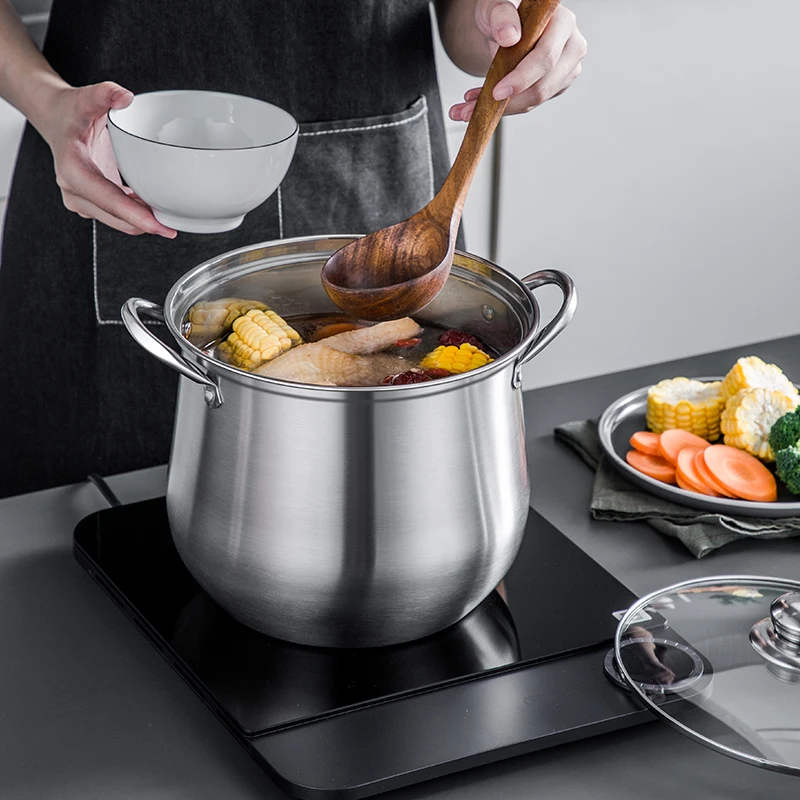
So, what exactly sets a wide stock pot apart in the bustling world of cookware? Imagine a pot with generous height but, crucially, an even more expansive base. This distinctive wide base is the key, offering a significantly larger surface area compared to its taller, narrower counterparts. This design isn’t just for show; it’s a deliberate choice that impacts everything from heat distribution to evaporation rates, making it an indispensable asset for specific culinary tasks. When you look at a wide stock pot, you’re seeing a vessel designed for maximum engagement with your heat source and your ingredients, ensuring every component gets the attention it deserves.
A Culinary Journey: The Evolution of the Stock Pot
The stock pot has a rich history, evolving from humble beginnings as a utilitarian vessel for rendering fats and simmering bones into the sophisticated piece of cookware we know today. Early versions were often simply large, deep pots, but as culinary techniques advanced, so did the design. The introduction of the wide stock pot marks a significant evolution, recognizing the need for greater surface contact for searing, browning, and faster liquid reduction. This adaptation reflects a deeper understanding of thermal dynamics in cooking, allowing for richer flavor development and more precise control over the cooking process. It’s a testament to how cookware design continually adapts to meet the ever-growing demands of both home cooks and professional chefs.
Crafting Your Culinary Canvas: Types and Materials of Wide Stock Pots
Choosing a wide stock pot also means navigating a world of materials, each bringing its own strengths to your culinary canvas. The material dictates how your pot handles heat, its durability, and even its reactivity with certain ingredients.
Stainless Steel: The Reliable Workhorse
Stainless steel wide stock pots are perhaps the most ubiquitous, and for good reason. They are incredibly durable, resistant to rust and corrosion, and non-reactive, meaning they won’t impart metallic flavors to acidic foods like tomato sauces or wine-based reductions. Many feature an encapsulated or clad bottom, often with an aluminum or copper core, to enhance heat conductivity and ensure even heating across that wide base. This makes them a fantastic all-rounder for almost any task.
Heavy-Duty Aluminum: The Quick Responder
Aluminum wide stock pots are prized for their excellent heat conductivity, heating up rapidly and distributing heat evenly. They are often lighter than stainless steel, making them easier to handle, especially in larger capacities. However, bare aluminum can react with acidic foods, potentially discoloring the pot or imparting a metallic taste. Anodized aluminum offers a harder, non-reactive surface, mitigating this issue. These are often a favorite in professional kitchens where speed and even heat are paramount.
Enameled Cast Iron: The Heat Retention Champion
For those who appreciate both form and function, enameled cast iron wide stock pots are a beautiful choice. They offer unparalleled heat retention and distribution, making them ideal for slow, gentle simmering, stews, and braises that benefit from consistent, low heat. The enamel coating prevents rust and makes them non-reactive, while also offering a stunning aesthetic that can go straight from stove to table. The trade-off is their considerable weight and often higher price point.
Multi-Clad Construction: The Performance Elite
For the ultimate in performance, multi-clad wide stock pots combine layers of different metals, typically stainless steel and aluminum (sometimes copper), throughout the entire pot. This premium construction ensures exceptional, uniform heating from the bottom all the way up the sides, preventing hot spots and ensuring a perfectly controlled cooking environment for even the most delicate reductions.
Ultimately, the best material for your wide stock pot depends on your cooking style, priorities, and budget. Consider what you’ll be cooking most often and which material best supports those culinary ambitions.
Selecting Your Perfect Partner: How to Choose a Wide Stock Pot
Choosing the right wide stock pot is a critical decision that impacts your cooking experience for years to come. It’s not just about picking the biggest one; it’s about finding the perfect fit for your lifestyle and culinary aspirations.
What Capacity Do You Truly Need?
This is often the first question. For most home cooks, a 6 to 12-quart wide stock pot hits the sweet spot. A 6-quart is great for smaller households, weeknight meals, or a modest batch of soup. The 8 to 12-quart range is ideal for families, batch cooking for meal prep, making substantial stocks, or boiling pasta for a crowd. If you’re into home canning, large-scale entertaining, or brewing, you might look at 16 quarts and beyond. “Think about your cooking habits,” advises Chef Julian Thorne, a renowned culinary expert. “If you’re often cooking for two, a giant pot will be cumbersome. If you’re always hosting or preserving, you’ll regret going too small.”
Material Matters: What’s Best for Your Style?
As discussed, material significantly influences performance. Stainless steel is durable and non-reactive, excellent for general use. Aluminum offers rapid, even heating, particularly good for boiling large volumes quickly. Enameled cast iron provides superior heat retention, perfect for slow-cooked dishes. Consider how often you’ll be simmering acidic ingredients, whether quick heating or sustained heat is more important, and how much you prioritize easy cleaning and maintenance.
Design Details: Handles, Lids, and Bases
These often-overlooked features are crucial for safety and usability.
- Base: Look for a thick, heavy, flat bottom. This prevents warping, ensures even heat distribution, and reduces the risk of scorching, especially when you’re simmering for hours.
- Handles: Sturdy, heat-resistant handles are a non-negotiable, especially on a wide stock pot that will become heavy when full. Riveted or welded handles are more secure than screw-on ones. They should also be wide enough to offer a comfortable, confident grip, even with oven mitts.
- Lid: A tight-fitting lid is essential to trap heat, moisture, and flavor, and to minimize evaporation during long cooking times. Glass lids can be a bonus, allowing you to monitor progress without lifting.
Stovetop Compatibility: Induction and Beyond
Before you commit, ensure your wide stock pot is compatible with your stovetop. If you have an induction cooktop, you’ll need a pot with a magnetic base. Most stainless steel pots are induction-compatible, but it’s always wise to check the product specifications. Also, consider if you want a pot that is oven-safe for finishing dishes or keeping them warm.
The Versatile Virtuoso: Unlocking the Wide Stock Pot’s Culinary Magic
The wide stock pot isn’t just a kitchen staple; it’s a versatile performer capable of transforming a multitude of ingredients into delectable meals. Its unique design opens up a world of culinary possibilities.
Mastering Stocks and Broths: The Foundation of Flavor
This is where the stock pot earns its name. The wide base allows for effective browning of bones and aromatics before you add liquid, building deep, rich foundational flavors through the Maillard reaction. The generous volume then accommodates all your ingredients and water, simmering them gently over hours. The wide surface also facilitates controlled reduction, allowing you to concentrate flavors into a potent liquid gold that forms the heart of countless recipes.
Epic Soups and Stews: Cooking for a Crowd
Whether it’s a hearty beef stew, a vibrant vegetable soup, or a spicy chili, the wide stock pot provides ample space for all your ingredients to mingle and cook evenly. You won’t have to worry about overcrowding, which can lead to steamed rather than properly browned ingredients. Its spacious design ensures every component contributes its full flavor to the communal pot, perfect for family dinners or entertaining friends.
Perfect Pasta and Grains: No More Sticky Situations
Say goodbye to clumpy pasta! The wide stock pot offers a generous amount of water and space for pasta to move freely, preventing sticking and ensuring even cooking. It’s equally adept at cooking large batches of grains like rice, quinoa, or farro, where consistent heating and enough room to absorb liquid without clumping are key.
Preserving the Seasons: Canning with Confidence
For the avid home preserver, a wide stock pot is indispensable. Its depth and width are perfect for safely submerging multiple mason jars for sterilization and water-bath canning, allowing you to preserve fruits, vegetables, jams, and sauces with ease and confidence, extending the bounty of the seasons.
Seafood Boils and Deep Frying: When Size Truly Matters
Planning a seafood boil? A wide stock pot is your best friend. Its substantial capacity can handle a generous medley of crabs, shrimp, corn, and potatoes. For safe deep frying, the wide, deep walls contain oil splatters, while the ample volume helps maintain a consistent oil temperature for crispy, golden results (ensure your pot is suitable for deep frying applications).
Reducing Sauces and Gravies: Concentrating Exquisite Tastes
The wide surface area promotes faster evaporation, making it excellent for reducing sauces, gravies, and glazes to their perfect consistency. This allows you to concentrate flavors quickly and efficiently, achieving that restaurant-quality richness without endless waiting.
Maximizing Your Pot’s Potential: Usage and Performance Tips
To get the most out of your wide stock pot, a few simple techniques can make a big difference:
- Match Your Burner: Always try to match the diameter of your pot to the size of your burner. This ensures even heat distribution and prevents wasted energy or uneven cooking.
- Don’t Overcrowd: While a wide stock pot offers ample space, avoid overfilling it, especially when browning ingredients. Give food room to breathe for proper searing and even cooking.
- Gentle Simmering: For stocks and broths, maintain a gentle simmer rather than a rolling boil. This extracts flavors more efficiently and keeps your liquid clearer.
- Stir Strategically: With its wide base, a wide stock pot is easy to stir, ensuring ingredients don’t stick to the bottom. For stews, stir periodically to prevent scorching.
Nurturing Your Investment: Care and Cleaning for Longevity
A quality wide stock pot is an investment, and proper care ensures it remains a treasured kitchen companion for years.
- Cool Before Cleaning: Always allow your pot to cool down before washing to prevent warping, especially with stainless steel and aluminum.
- Hand Wash for Best Results: While many pots are dishwasher safe, hand washing with warm, soapy water and a non-abrasive sponge is often recommended to preserve the finish and extend its life.
- Tackle Stains: For stubborn food residue, soak the pot with warm, soapy water. For stainless steel, a paste of baking soda and water can gently remove minor discoloration.
- Dry Thoroughly: Always dry your pot completely to prevent water spots and, for non-enameled cast iron, rust.
- Proper Storage: Store your wide stock pot carefully. If stacking, place a cloth or paper towel between pots to prevent scratches.
Why Go Wide? The Undeniable Advantages of a Quality Wide Stock Pot
Investing in a quality wide stock pot isn’t just about adding another piece of cookware; it’s about upgrading your entire cooking experience. The advantages are clear and impactful:
- Efficiency: Faster reduction of liquids saves time, while even heat distribution prevents hot spots and ensures consistent cooking.
- Versatility: From massive pasta feasts to delicate reductions, it handles an incredible range of culinary tasks.
- Flavor Development: The larger surface area allows for superior browning, unlocking deeper, more complex flavors in your foundational ingredients.
- Convenience: Easier stirring, less overcrowding, and the ability to cook larger batches mean less time spent hovering over the stove and more time enjoying your creations.
As Chef Anya Sharma, a culinary innovator, puts it, “A wide stock pot isn’t just about capacity; it’s about control. It gives you the surface area needed to build extraordinary flavor through browning and reduction, which is something you just can’t achieve as effectively in a tall, narrow pot.”
Wide Stock Pot vs. The Rest: A Deep Dive into Cookware Choices
Understanding how the wide stock pot compares to other common kitchen vessels helps solidify its unique position and value.
Wide vs. Tall Stock Pot
While both are “stock pots,” their shape leads to distinct applications.
- Wide Stock Pot Strengths: Excellent for recipes requiring browning ingredients on the base before adding liquid, or for dishes where rapid liquid reduction (e.g., sauces, gravies, concentrating stocks) is desired due to increased surface evaporation. It’s also ideal for stirring chunky ingredients or cooking large items without crowding.
- Tall Stock Pot Strengths: Designed to minimize evaporation, making them perfect for long, slow simmers where you want to maintain liquid volume, like extended bone broth preparations. Their height also allows for submerging large items (like whole chickens) with less liquid and reduces splatter.
Wide Stock Pot vs. Dutch Oven
Both are versatile, but excel in different areas.
- Wide Stock Pot: Primarily liquid-focused. Its tall, straight sides and wide base make it superior for high-volume boiling, simmering stocks, soups, and canning.
- Dutch Oven: Excels at braising, baking bread, and oven-to-stovetop cooking thanks to its heavy construction and typically oven-safe design. While it can make soups, its lower sides and smaller capacity (relative to large stock pots) mean it’s less efficient for large-batch liquid tasks or rapid reduction.
Wide Stock Pot vs. Soup Pot/Saucepan
These are generally smaller, single-purpose items.
- Wide Stock Pot: The clear winner for volume and versatility in large-batch cooking.
- Soup Pot/Saucepan: Smaller capacities, typically used for smaller quantities of sauces, side dishes, or reheating. They lack the surface area and volume for the wide stock pot’s signature tasks.
Frequently Asked Questions About Wide Stock Pots
Is a wide stock pot suitable for induction cooktops?
Many modern wide stock pots, especially those made from stainless steel with a magnetic base, are induction-compatible. Always check the product specifications for confirmation before purchasing.
How do I prevent food from sticking to my wide stock pot?
Proper preheating, adding a little oil or fat before ingredients, and ensuring you don’t overcrowd the pot are key. For stainless steel, cooking over medium heat often helps prevent sticking. If using non-stick, ensure the coating is intact.
What’s the ideal size for a family of four?
For a family of four, an 8 to 12-quart wide stock pot is generally ideal. An 8-quart is perfect for everyday soups and pasta, while a 12-quart offers more flexibility for larger batches, meal prep, or entertaining.
Can I put my wide stock pot in the oven?
It depends on the material and handle construction. Stainless steel pots with metal handles are often oven-safe. Enameled cast iron is almost always oven-safe. However, pots with plastic or silicone components on the handles or lid are usually not oven-safe, or are limited to lower temperatures. Always check the manufacturer’s guidelines.
How do I store a large wide stock pot in a small kitchen?
Large stock pots can be a challenge. Consider storing smaller pots inside the wide stock pot to save space. If you have deep pantry shelves or under-counter cabinets, these can be good options. Some kitchens even have hooks for hanging larger pots.
Conclusion: Embrace the Wide Stock Pot Revolution
The wide stock pot is far more than just another piece of cookware; it’s a foundational element for a truly versatile and efficient kitchen. It empowers you to create deeply flavored stocks, bountiful stews, perfect pasta, and ambitious canning projects with remarkable ease and precision. By understanding its unique advantages in terms of surface area, heat distribution, and volume, you can unlock a new realm of culinary possibilities. Investing in a quality wide stock pot is an investment in your culinary journey, promising years of delicious meals and inspired cooking. So go ahead, embrace the wide stock pot revolution, and elevate your cooking to extraordinary new heights!