Every kitchen, regardless of size, deserves a culinary workhorse that handles daily tasks with grace and efficiency. While grand 12-quart vessels often steal the spotlight, it’s the humble small stock pot that truly shines as an indispensable tool for the modern home cook. This compact powerhouse isn’t just a downsized version of its larger siblings; it’s a precisely engineered piece of cookware designed to bring superior performance to your everyday cooking.
What Exactly is a Stock Pot? (And a Small One at That!)
Before we delve into the magic of its smaller form, let’s clarify what defines a classic stock pot. Traditionally, a stock pot is characterized by its tall, straight sides, wide base, and two sturdy loop handles, accompanied by a tight-fitting lid. This design is fundamentally engineered to minimize evaporation, allowing liquids to simmer gently for extended periods and flavors to meld beautifully.
Now, imagine all that design brilliance, perfectly scaled for practicality. A small stock pot typically ranges from 4 to 8 quarts (approximately 3.8 to 7.6 liters). This size sweet spot ensures you get all the benefits of a full-sized stock pot – even heat distribution, ample depth for liquids, and robust construction – without overwhelming your stovetop or storage space. It’s about smart cooking, not just large-batch cooking.
The Perfect Fit: Why a Small Stock Pot Belongs in Every Kitchen
For too long, stock pots have been pigeonholed as single-purpose giants, dusted off only for holiday feasts or mammoth soup preparations. But this couldn’t be further from the truth, especially when it comes to the small stock pot. Its existence challenges the notion that every pot must be “family-sized.” For individuals, couples, or small families, it’s often the most-reached-for pot in the cabinet.
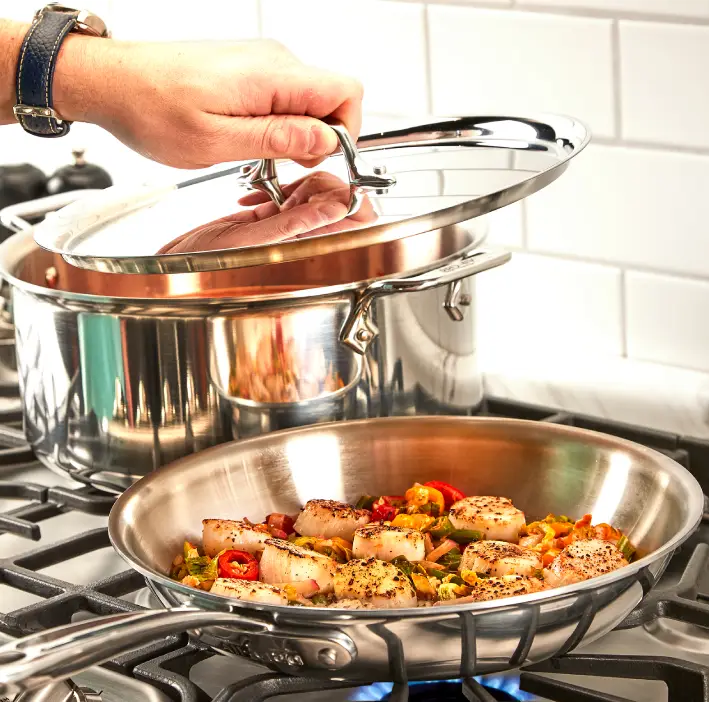
“Many home cooks mistakenly think they need a huge stock pot, but for daily meals, a smaller one is far more practical,” says Chef Amelia Thompson, a renowned culinary consultant. “It heats up quicker, is easier to handle, and encourages you to make those wonderful homemade stocks and sauces that truly elevate your cooking, even if it’s just a liter or two.”
It’s the ideal companion for tackling those recipes that don’t demand a commercial-grade capacity but still benefit from the deep, even heating only a true stock pot can provide. Think about the convenience: less water to boil, less energy consumed, and a much lighter load when it’s time to move from stove to sink.
Decoding Sizes: Finding Your Ideal Small Stock Pot
Choosing the right small stock pot size depends largely on your household and cooking habits. Here’s a breakdown of common capacities and what they’re best for:
- 4-Quart Small Stock Pot: This is perfect for single servings or small portions. Ideal for quickly boiling a few eggs, reheating soup for one, preparing a delicate sauce, or cooking a modest amount of grains. If you live alone or with a partner and value kitchen minimalism, a 4-quart pot could be your go-to.
- 6-Quart Small Stock Pot: Often considered the sweet spot for 1-2 people, or for preparing side dishes for a small family. It offers enough headroom for boiling a box of pasta, simmering a batch of homemade chicken noodle soup, or blanching a generous amount of vegetables without overcrowding. It’s also excellent for doubling smaller recipes.
- 8-Quart Small Stock Pot: This is arguably the most versatile “small” stock pot size, suitable for households of 2-4 people. It comfortably handles a full batch of hearty stew, enough pasta for a family dinner, or a substantial homemade broth from kitchen scraps. Many experts consider an 8-quart stock pot to be the minimum “standard” size for a truly versatile pot, bridging the gap between small-batch precision and medium-batch generosity.
Remember, when considering capacity, always leave about 15-25% headroom to prevent boil-overs, especially for vigorously boiling liquids or simmering. So, an 8-quart pot might have a “usable” capacity closer to 6-7 quarts.
Beyond Broth: The Many Culinary Adventures of Your Small Stock Pot
While its name suggests one primary use, the small stock pot is a master of many culinary arts. Its unique design makes it surprisingly versatile:
Boiling with Precision
Say goodbye to water boiling over on your stovetop. The tall, straight sides of a small stock pot effectively contain frothy liquids, making it perfect for:
- Pasta and Grains: Ample space for pasta to move freely, preventing sticking, or for perfectly cooked rice, quinoa, and other grains.
- Eggs and Vegetables: Ideal for boiling a handful of eggs or quickly blanching smaller portions of green beans, broccoli, or asparagus to retain their vibrant color and crisp texture.
Simmering for Flavor
The design that makes it excellent for stock also makes it superb for:
- Soups and Sauces: From a rich tomato sauce to a comforting lentil soup, the consistent, low simmer capability prevents scorching and allows flavors to deepen beautifully with minimal evaporation. This is where your small stock pot truly develops rich, nuanced flavors in every dish.
- Small-Batch Stocks: Don’t need gallons of bone broth? A small stock pot is fantastic for creating a modest, intensely flavorful chicken or vegetable stock from leftover scraps, perfect for immediate use in a risotto or gravy.
Blanching and Steaming for Healthy Cooking
Its depth and tight-fitting lid are perfect for:
- Blanching: Quickly submerging vegetables in boiling water, then plunging them into ice water, halts the cooking process and preserves nutrients and color.
- Steaming: With a compatible steamer insert, you can effortlessly steam fish, dumplings, or vegetables, ensuring tender, moist results that lock in flavor and essential nutrients.
Efficient Reheating
Forget shallow pans that only warm the bottom. The even heat distribution of a small stock pot ensures your leftovers, from chili to stew, reheat thoroughly and gently, preserving their texture and taste.
Small-Batch Canning
For those passionate about preserving, a small stock pot can be invaluable for sterilizing jars or processing small batches of jams, jellies, or pickles. Its depth allows for proper submersion, a critical step for safe canning.
Material Matters: Crafting the Perfect Pot
The material of your small stock pot significantly impacts its performance and durability.
- Stainless Steel: This is the most popular choice for good reason. Stainless steel is durable, non-reactive (meaning it won’t leach flavors or react with acidic foods), and relatively easy to clean. Many high-quality stainless steel stock pots feature a clad construction, with an aluminum or copper core sandwiched between layers of stainless steel to ensure rapid and even heat distribution.
- Enamel on Steel/Carbon Steel: These pots are typically lighter than stainless steel, offer quick heating, and often come in vibrant colors. The porcelain enamel coating is non-reactive and easy to clean, making them a stylish yet functional addition to any kitchen.
- Aluminum: While excellent for heat conduction and lightweight, bare aluminum can react with acidic foods. Anodized aluminum offers a harder, non-reactive surface, providing a good balance of performance and ease of use.
- Enameled Cast Iron: Known for exceptional heat retention and even cooking, enameled cast iron stock pots are perfect for slow-simmered dishes. However, they tend to be heavier, which might be a consideration for a “small” pot you’ll frequently move.
When choosing, consider a pot with a thick, flat bottom to ensure stability and even heating across all cooktop types, including induction.
Small Stock Pot vs. Saucepan: Knowing When to Grab Which
It’s easy to confuse a small stock pot with a saucepan, as both handle liquids. However, their design differences make them suited for distinct tasks.
“Think of it this way,” explains John Smith, a veteran chef and culinary instructor, “a saucepan is like a precise artist’s brush, while a small stock pot is your all-purpose cooking spade. Both are essential, but for different jobs.”
- Saucepan: Typically smaller (1-4 quarts), with a single long handle (sometimes a small helper handle), and often a narrower width-to-height ratio. Saucepans excel at tasks requiring precise control, such as reducing delicate sauces, heating milk, or cooking small quantities of grains where you might want to easily pour with one hand. Their narrower opening helps reduce liquids effectively.
- Small Stock Pot: Ranges from 4-8 quarts, features two sturdy loop handles, and generally has a wider base and taller sides relative to its diameter. This design makes it superior for tasks involving larger volumes of liquid, less evaporation, and situations where you need to stir comfortably without spilling. It’s perfect for boiling pasta, making soups, or simmering small stews.
While a small stock pot can occasionally stand in for a saucepan, using a saucepan for larger liquid-heavy tasks will likely lead to overcrowding, uneven cooking, and potential boil-overs. For truly efficient cooking, owning both is ideal.
Tips for Maximizing Your Small Stock Pot’s Performance
To get the most out of your cherished small stock pot, keep these tips in mind:
- Preheat Gently: For stainless steel, allow the pot to preheat on medium-low heat for a few minutes before adding ingredients. This helps achieve even cooking and prevents sticking.
- Mind the Lid: Use the tight-fitting lid to bring liquids to a boil faster, saving energy. When simmering, the lid minimizes evaporation, concentrating flavors.
- Don’t Overcrowd: Even a small stock pot has its limits. Give ingredients enough space to cook evenly, especially when blanching or making soups. Overcrowding can lower the temperature and lead to steaming instead of proper simmering.
- Layer Flavors: Utilize the pot’s spacious base to sauté aromatics (onions, garlic, mirepoix) before adding liquids. This layering technique builds a rich flavor foundation for your dishes.
Care and Keeping: Ensuring Your Small Stock Pot Lasts
A quality small stock pot is an investment that, with proper care, will last for decades.
- Cleaning: Most stainless steel stock pots are dishwasher safe, making cleanup a breeze. However, for enameled pots, hand washing with warm soapy water is recommended to protect the finish. Avoid abrasive scrubbers that can scratch the surface.
- Stubborn Stains: For burnt-on food, fill the pot with water and a tablespoon of baking soda, bring to a simmer, then let cool. The residue should lift easily. A paste of baking soda and a little water can also tackle discoloration.
- Storage: Ensure the pot is completely dry before storing to prevent water spots or, in the case of carbon steel, rust. If stacking, place a cloth or paper towel between pots to prevent scratches.
Investing Wisely: The Long-Term Value of a Quality Small Stock Pot
In a world increasingly focused on kitchen efficiency and mindful consumption, a high-quality small stock pot is a smart investment. It’s a testament to versatile design, allowing you to create everything from a simple yet perfect pot of pasta to an intensely flavorful, small-batch stock that forms the foundation of countless dishes. This isn’t just another pot; it’s a gateway to more creative, confident, and delicious home cooking, enhancing your culinary journey one perfectly simmered dish at a time. It embodies durability, performance, and the joy of cooking with the right tool for the job.
Frequently Asked Questions (FAQ)
What is the best size small stock pot for a single person?
For a single person, a 4-quart or 6-quart small stock pot is generally ideal. The 4-quart is excellent for individual portions and reheating, while the 6-quart offers a bit more versatility for small batches of soup, grains, or side dishes.
Can I make stock in a small stock pot?
Absolutely! A small stock pot is perfect for making smaller batches of homemade chicken, beef, or vegetable stock. Its tall sides help limit evaporation, allowing flavors to concentrate beautifully without needing gallons of water.
Is a small stock pot the same as a saucepan?
No, a small stock pot is not the same as a saucepan, though they both handle liquids. A saucepan typically has a single long handle, a narrower profile, and is designed for more precise tasks like reducing sauces. A small stock pot has two loop handles, a wider base, and taller sides, making it better for larger liquid volumes and simmering.
What can I cook in an 8-quart stock pot?
An 8-quart small stock pot is incredibly versatile. You can cook family-sized portions of pasta, hearty soups, stews, chili, and even small roasts. It’s also ideal for making generous batches of homemade broth or for blanching and steaming larger quantities of vegetables.
How do I clean a stainless steel small stock pot?
Most stainless steel small stock pots are dishwasher safe. For hand washing, use warm, soapy water and a soft sponge. For stubborn food residue or discoloration, try simmering water with a tablespoon of baking soda in the pot, then let it cool before scrubbing gently. Avoid abrasive cleaners to maintain its shine.
|
Our Picks for the Best Stock Pot in 2026
As an Amazon Associate I earn from qualifying purchases.
|
||
| Num | Product | Action |
|---|---|---|
| 1 | HexClad Hybrid Nonstick 12-Quart Stockpot with Tempered Glass Lid, Stay-Cool Handles, Dishwasher-Friendly, Oven-Safe Up to 900°F, Induction Ready, Compatible with All Cooktops |

|
| 2 | CAROTE 8QT Full Clad Tri Ply Stainless Steel Stock Pot with Lid, Kitchen Stockpot Soup Pot, Outer Ceramic Layer, Even Heating, All Stoves Compatible, Oven & Dishwasher Safe, Stay Cool Handle, White |
|
| 3 | CAROTE 8QT Full Clad Tri Ply Stainless Steel Stock Pot with Lid, Kitchen Stockpot Soup Pot, Outer Ceramic Layer, Even Heating, All Stoves Compatible, Oven & Dishwasher Safe, Stay Cool Handle, Purple |
|
| 4 | Kirecoo Stainless Steel Stock Pot - 8 Quart Heavy Duty Induction Cooking Pot with Visible Lid for Pasta, Soup, Spaghetti, Nonstick Thick Bottom Big Stockpot, Deep Cookware for Canning, Boiling, Simmer |
|
| 5 | Amazon Basics Stainless Steel Stock Pot with Lid, 8 Quart, Even Heating, Easy to Clean, Silver |
|
| 6 | 6.5-Quart Steamer Pots with Lid, Nonstick 6.5 QT Stock Pot with Vegetable Steamer, PTFE& PFAS-Free, Large Soup Steaming Pot for Cooking, Stay-Cool Handles, Induction Compatible |
|
| 7 | Made In Cookware - 8 Quart Stainless Steel Stock Pot With Lid - 5 Ply Stainless Clad - Professional Cookware - Crafted in Italy - Induction Compatible |
|
| 8 | T-fal Specialty Nonstick Stockpot With Lid 12 Quart, Oven Broiler Safe 350F, Stay-Cool Handles, Kitchen, Cookware, Pots and Pans, Stock Pot, Soup Pot, Cooking Pot, Dishwasher Safe, Black |
|
| 9 | CAROTE 8QT Full Clad Tri Ply Stainless Steel Stock Pot with Lid, Kitchen Stockpot Soup Pot, Outer Ceramic Layer, Even Heating, All Stoves Compatible, Oven & Dishwasher Safe, Stay Cool Handle, Blue |
|
| 10 | Cooks Standard 18/10 Stainless Steel Stockpot 12-Quart, Classic Deep Cooking Pot Canning Cookware with Stainless Steel Lid, Silver |
|